Food-Grade & Sanitary Piping Contractor in Illinois
Serving Illinois
Food-Grade and Sanitary Piping for Food, Beverage, and Process Facilities
When food-grade or sanitary piping fails, production, sanitation, and startup schedules are all at risk. A leaking stainless line, poor equipment tie-in, drainage issue, or shutdown delay can interrupt production and create problems for maintenance, operations, and quality teams.
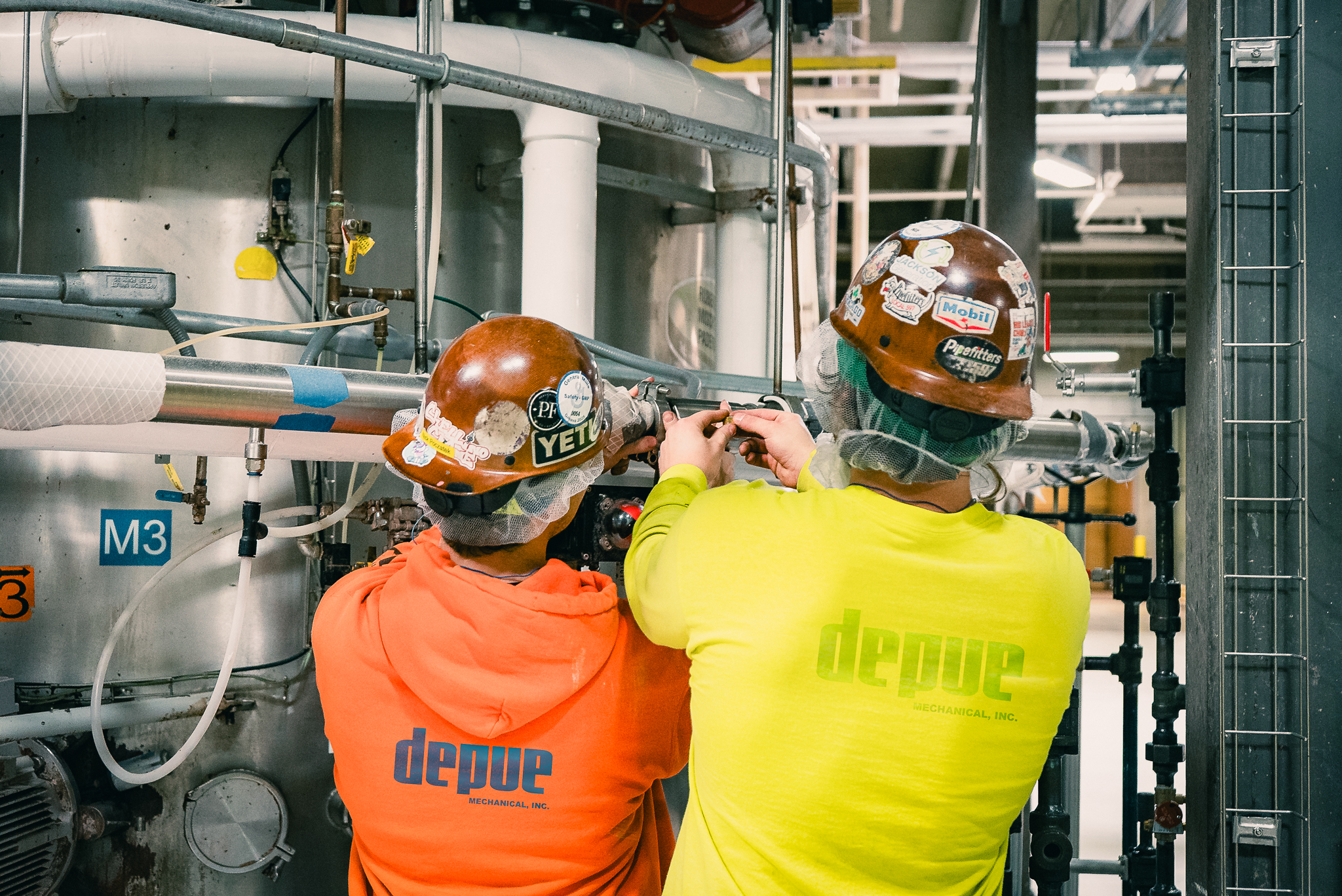
DePue Mechanical is a food-grade piping contractor serving industrial facilities across Illinois. We provide food-grade and sanitary piping installation, stainless piping modifications, process equipment tie-ins, utility piping support, prefabricated piping assemblies, and shutdown piping work for food manufacturing, beverage production, ingredient handling, and related process environments.
Food-grade and sanitary piping work includes the installation, modification, fabrication, and tie-in of stainless piping systems used in food manufacturing, beverage production, ingredient handling, washdown areas, and process environments where cleanability, drainability, production uptime, and reliable utility support matter.
Our work supports stainless process lines, tanks, pumps, fillers, mixers, heat exchangers, process skids, CIP-related piping, utility headers, and production equipment inside active facilities. Each scope has to be planned around field conditions, production schedules, sanitation windows, safety requirements, and startup deadlines.
For broader piping capabilities, visit our industrial piping contractor in Illinois page.
Food-Grade & Sanitary Piping Capabilities
Piping Services for Food & Beverage Facilities
- Food-Grade Piping Problems We Help Solve
- Food-Grade and Sanitary Piping Services
- Sanitary Stainless Piping Installation
- Food Production Equipment Tie-Ins
- Pipe Fabrication and Prefabrication for Food-Grade Systems
- Utility Piping for Food and Beverage Facilities
- Shutdown and Tie-In Support for Food Plants
- Food-Grade Piping for General Contractors and Construction Managers
- Technical Capabilities
- Industries Served
- Why DePue Mechanical for Food-Grade and Sanitary Piping
- Related Piping Services
Food-Grade Piping Problems We Help Solve
Food and beverage piping projects are often driven by production expansion, equipment upgrades, sanitation improvements, aging stainless systems, or short shutdown windows. These projects require careful field coordination because many facilities cannot afford extended production interruptions.
In food and beverage environments, piping work has to be planned around more than flow and pressure. Crews also have to account for sanitation zones, washdown conditions, production schedules, plant traffic, maintenance access, hot work controls, material staging, and startup timing.
DePue supports facilities dealing with:
- Aging or leaking food-grade piping
- Sanitary stainless piping replacement
- New production line piping
- Pump, tank, mixer, filler, and process equipment tie-ins
- Piping modifications for process skids or packaged systems
- CIP supply, return, and utility piping support where required by the project
- Utility piping serving food production equipment
- Piping reroutes in congested production, mechanical, or washdown areas
- Shutdown tie-ins with limited outage windows
- Prefabricated stainless assemblies for faster installation
- Cleanability, drainability, slope, clearance, and access issues around stainless process lines
- Pressure testing, flushing, leak checks, and turnover requirements
Need more information?
Solve Piping Issues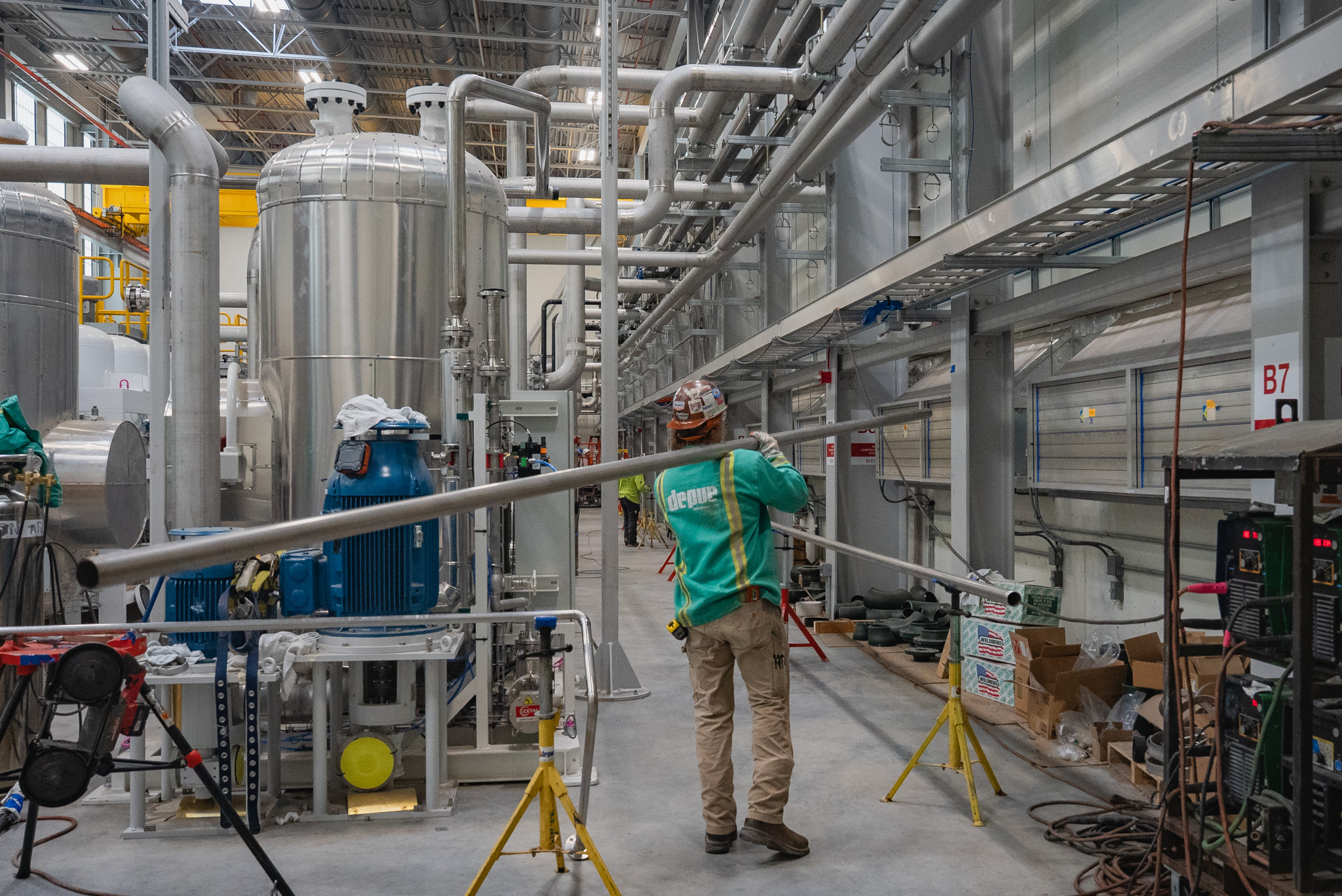
Food-Grade and Sanitary Piping Services
DePue Mechanical provides food-grade and sanitary piping services for new installations, system upgrades, equipment replacements, and retrofit work in active food and beverage facilities.
Each scope is planned around the facility’s operating conditions. That may include working during planned shutdowns, coordinating with sanitation teams, isolating active systems, prefabricating assemblies before installation, or sequencing piping work around production restart deadlines.
For production process systems outside sanitary environments, visit our process piping contractor page.
Our services include:
- Food-grade piping installation
- Sanitary stainless piping installation
- Stainless process piping replacement
- Process equipment tie-ins
- Pump and tank piping
- Mixer, filler, and production line connections
- Heat exchanger and process skid piping connections
- CIP supply, return, and utility piping support where required by the project
- Utility piping serving food production equipment
- Steam, condensate, hot water, chilled water, glycol, and compressed air piping
- Valve, fitting, flange, gauge, drain, vent, and instrument connection installation
- Pipe routing and support installation
- Prefabricated stainless piping assemblies
- Shutdown piping and tie-in support
- Pressure testing, flushing, leak checks, and turnover coordination
Need more information?
View Piping Work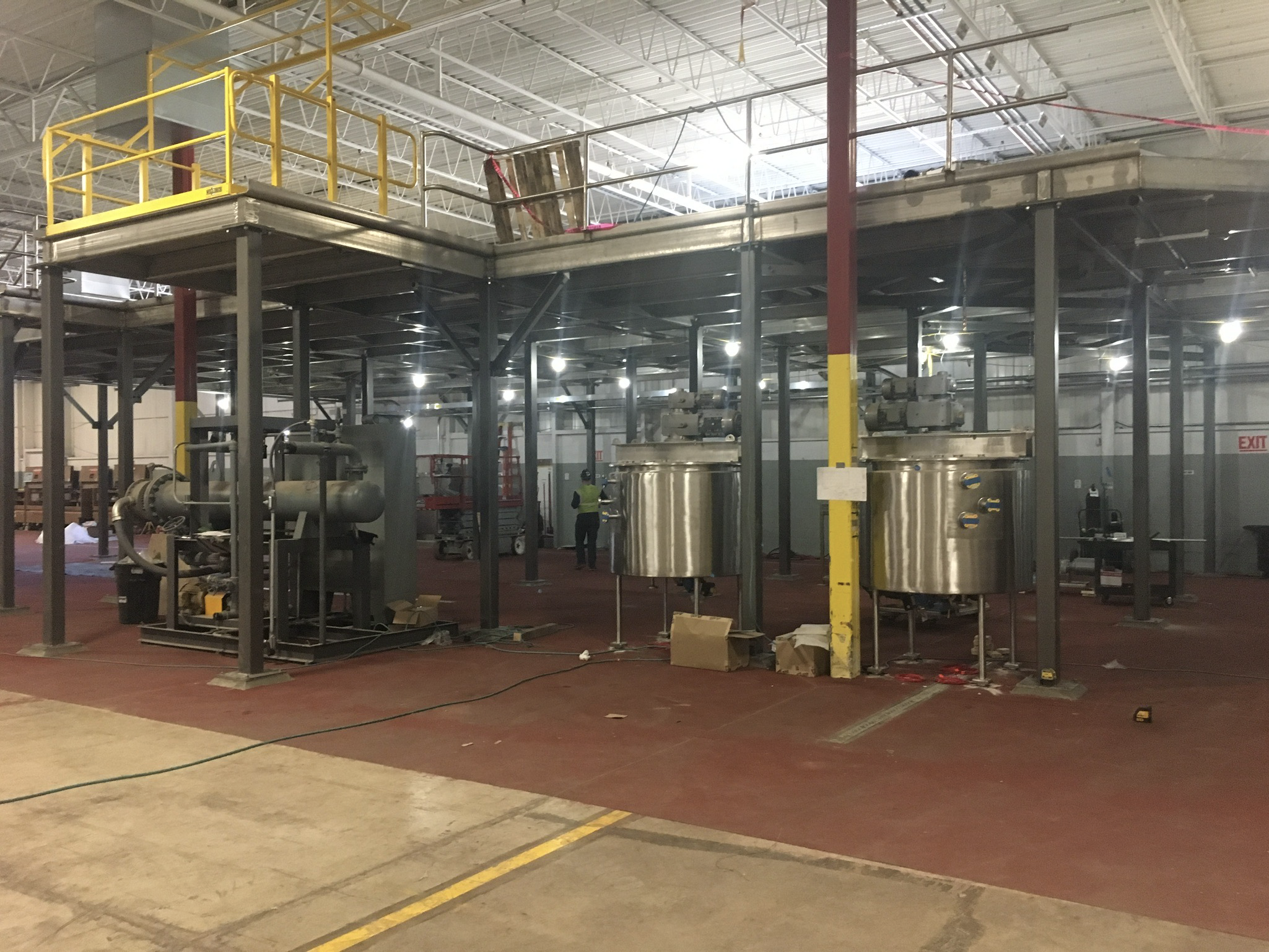
Sanitary Stainless Piping Installation
As a sanitary piping contractor, DePue Mechanical supports stainless piping installation and modification in production environments where routing, access, cleanability, drainability, and system reliability matter.
Sanitary stainless piping installation requires attention to clean routing, field fit-up, slope and drainage where required by the project, support placement, valve access, equipment clearance, and long-term serviceability. In food and beverage facilities, small installation details can affect cleaning procedures, maintenance access, production uptime, and startup reliability.
DePue supports sanitary stainless piping installation for systems connected to tanks, pumps, skids, heat exchangers, fillers, mixers, blending systems, transfer lines, and utility connections. Work may involve stainless tubing or pipe, welded or mechanically joined connections where appropriate, valves, fittings, gauges, drains, vents, and support systems.
The goal is to install piping that supports production, cleaning practices, maintenance access, and long-term plant reliability.
Installation planning may include:
- Field verification of existing stainless piping and equipment locations
- Routing review for access, clearance, cleaning, drainage, and maintenance
- Coordination with production, sanitation, maintenance, and safety teams
- Tie-in sequencing for short shutdown or off-shift installation windows
- Support placement to reduce vibration, movement, and alignment issues
- Field fit-up review before final installation
- Hot work planning in production or washdown areas
- Testing and verification before the system is returned to service
Need more information?
Let's Talk Sanitary Piping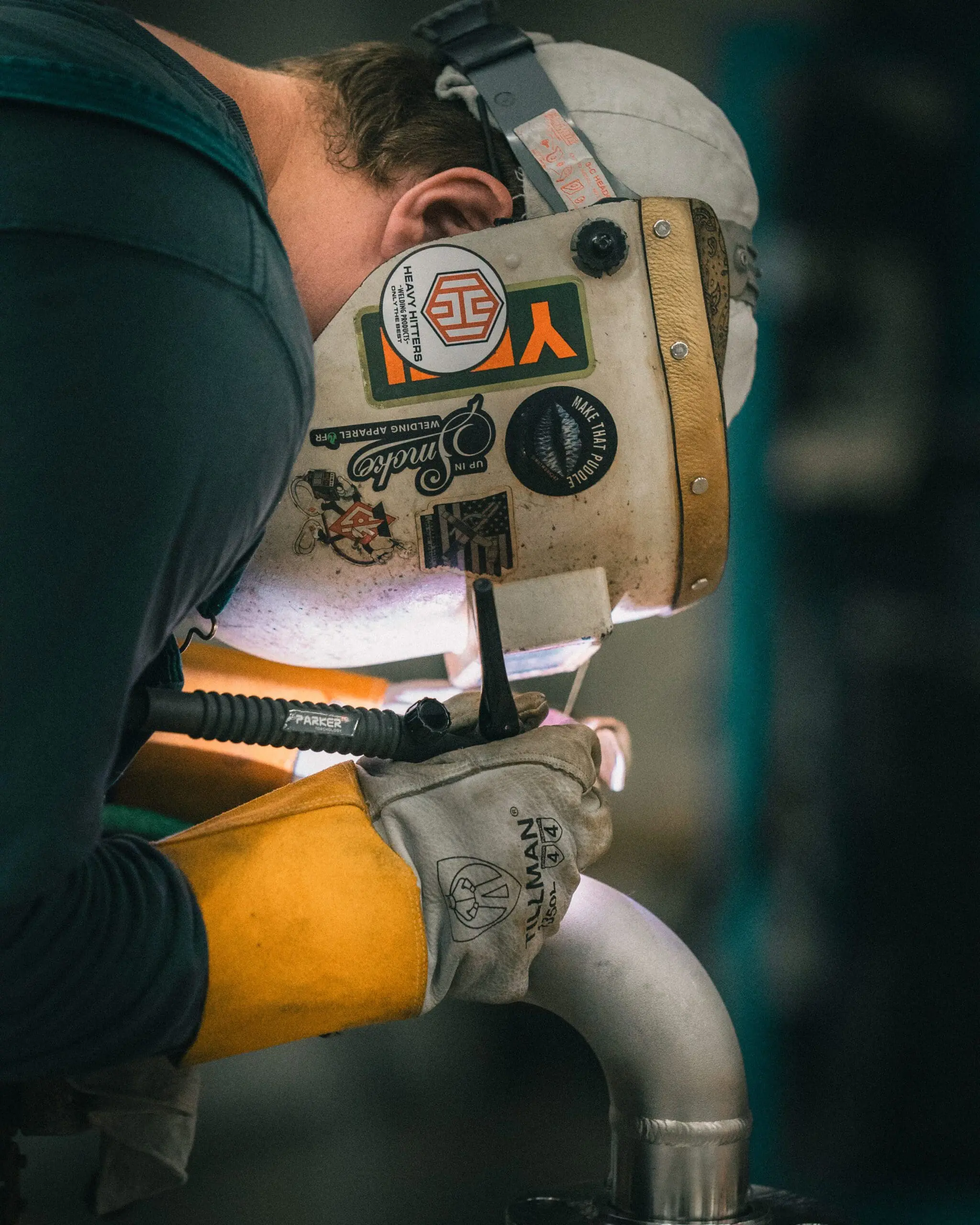
Food Production Equipment Tie-Ins
Food-grade piping projects often center around new or replacement equipment. Tanks, pumps, mixers, fillers, heat exchangers, process skids, blending systems, and packaging equipment all require accurate piping connections to perform as intended.
Tie-ins are often the point where schedule risk, field conditions, OEM connection points, and startup requirements all come together. If the piping is not planned correctly, the result can be rework, extended downtime, access problems, or delayed production startup.
DePue supports equipment tie-ins that require careful layout, field measurements, spool accuracy, material readiness, and coordination with OEMs, engineers, GCs, maintenance teams, and production personnel.
These tie-ins often happen under tight time constraints. The better the field verification and prefabrication planning, the less risk there is during the shutdown window.
For short-window work, visit our shutdown piping contractor page.
Tie-in work may include:
- Connecting new tanks, pumps, skids, mixers, fillers, and production equipment
- Modifying existing stainless piping to fit new equipment layouts
- Installing valve stations, bypasses, vents, drains, and isolation points
- Rerouting lines to improve access or support new production flow
- Connecting utilities such as steam, condensate, compressed air, chilled water, glycol, or hot water
- Installing prefabricated tie-in spools during a planned outage
- Testing and checking connections before startup
Need more information?
Equipment Tie-Ins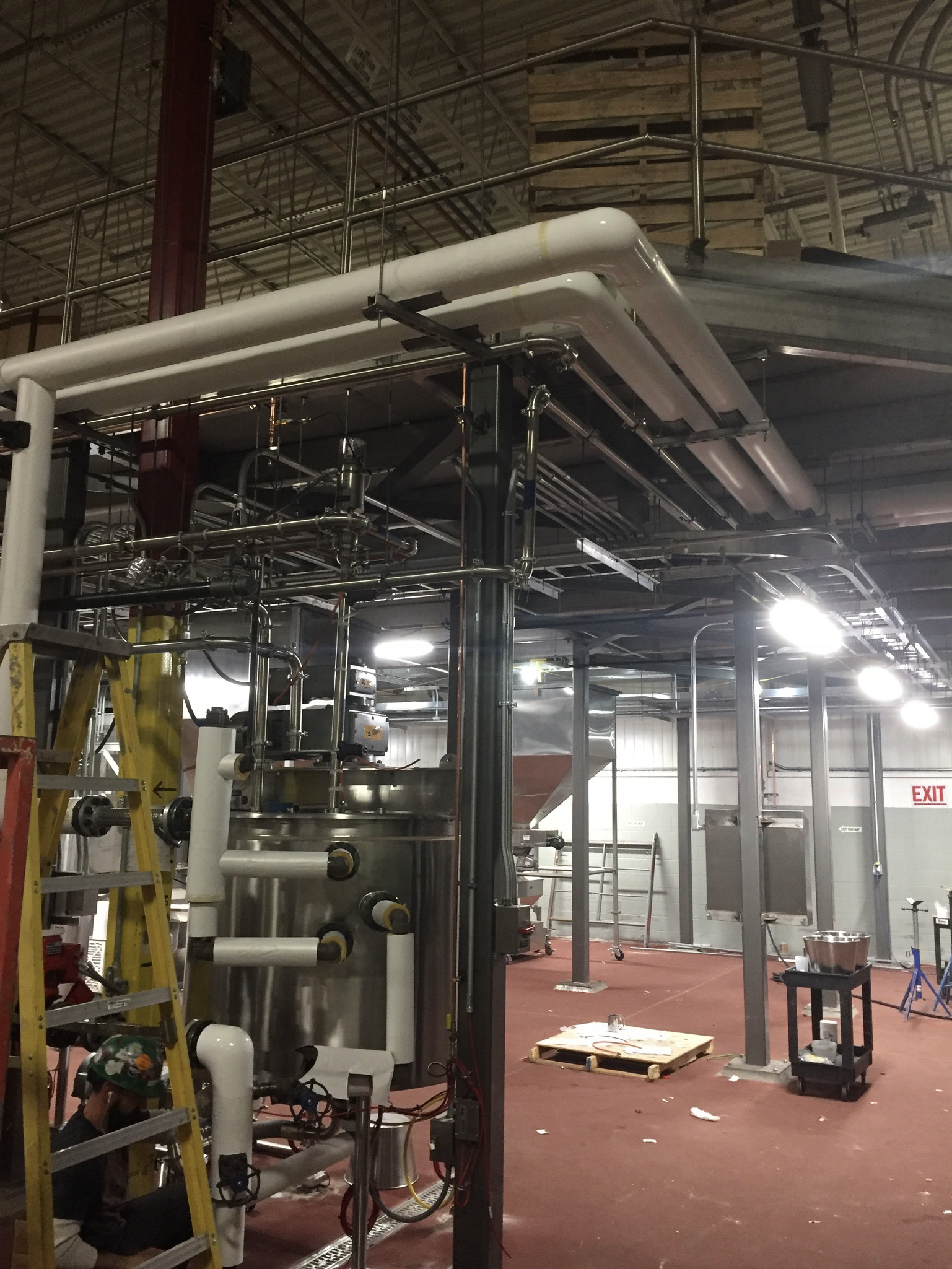
Pipe Fabrication and Prefabrication for Food-Grade Systems
Prefabrication can reduce disruption inside active food and beverage facilities. When pipe spools, valve assemblies, skid connections, or stainless piping sections are fabricated before crews enter the production area, field installation can move faster and with less congestion.
DePue supports pipe fabrication and prefabrication for food-grade and sanitary piping projects where accurate measurements, clean fit-up, and installation sequencing matter.
Fabrication planning may include field measurements, spool tags, isometric review, weld sequencing, material staging, and installation sequencing before the shutdown or installation window begins.
Prefabrication is especially valuable when work has to be completed during weekend outages, holiday shutdowns, off-shift production windows, or in areas where field welding and extended installation time need to be minimized.
For dedicated fabrication support, visit our pipe fabrication contractor page.
Prefabrication may include:
- Stainless pipe spools
- Valve and fitting assemblies
- Pump connection piping
- Tank and skid piping sections
- Production line tie-in spools
- Utility piping assemblies serving food equipment
- Replacement piping built before demolition begins
- Shutdown-ready piping packages
Need more information?
Plan Pipe Fab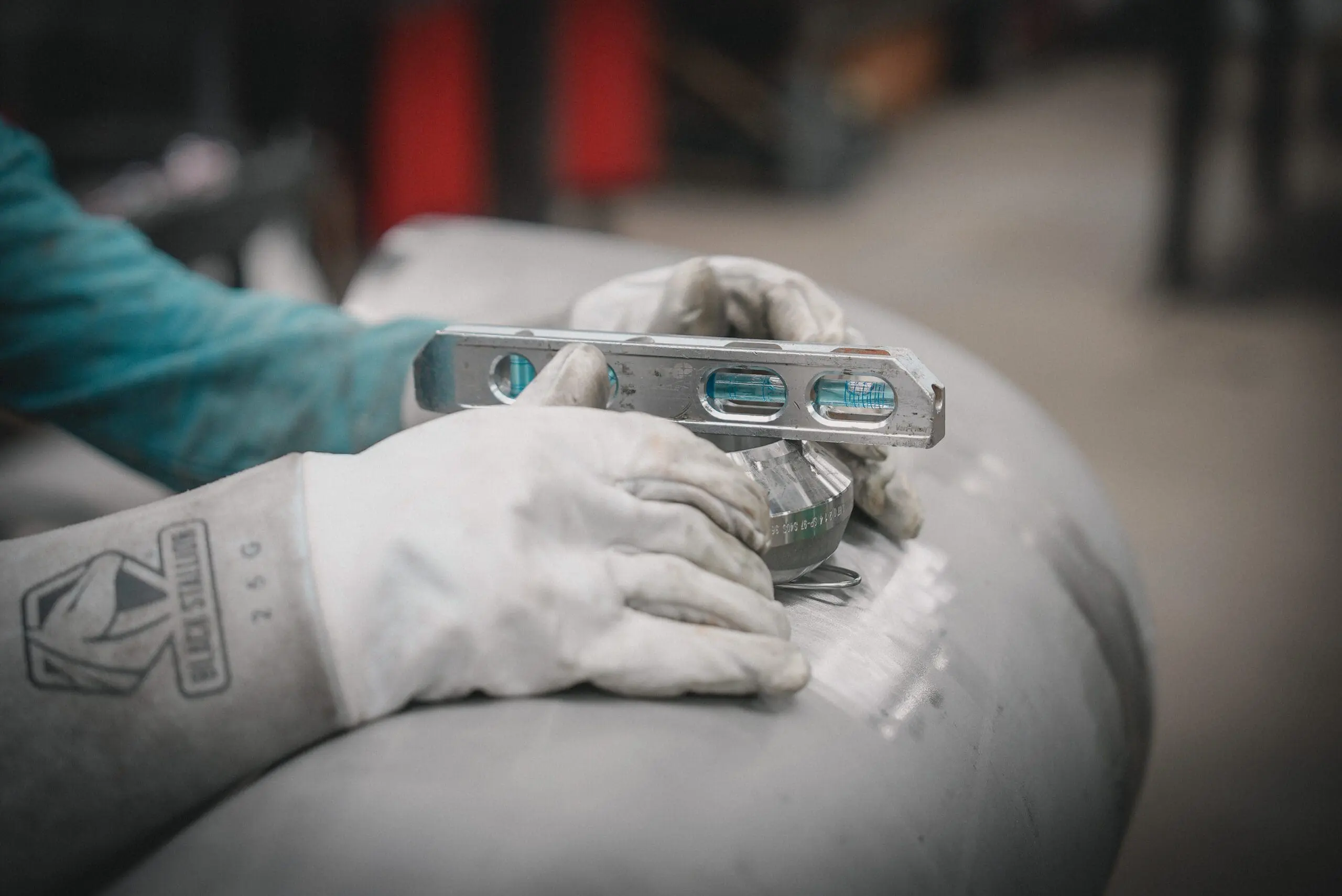
Utility Piping for Food and Beverage Facilities
Food-grade production depends heavily on utility piping. Even when a line does not carry product, it may support temperature control, cleaning, compressed air, steam, heating, cooling, washdown, or process equipment operation.
Utility piping must be routed and supported correctly so it does not interfere with sanitary process lines, washdown areas, maintenance access, production traffic, equipment clearance, or future facility modifications.
For utility-focused scopes, visit our utility piping contractor page.
DePue installs and modifies utility piping systems serving food and beverage production areas, including:
- Steam piping
- Condensate piping
- Compressed air piping
- Hot water piping
- Chilled water piping
- Glycol piping
- Process water piping
- Boiler, chiller, pump, and heat exchanger connections
- Utility headers and branch piping to production equipment
Need more information?
Plan Utility Work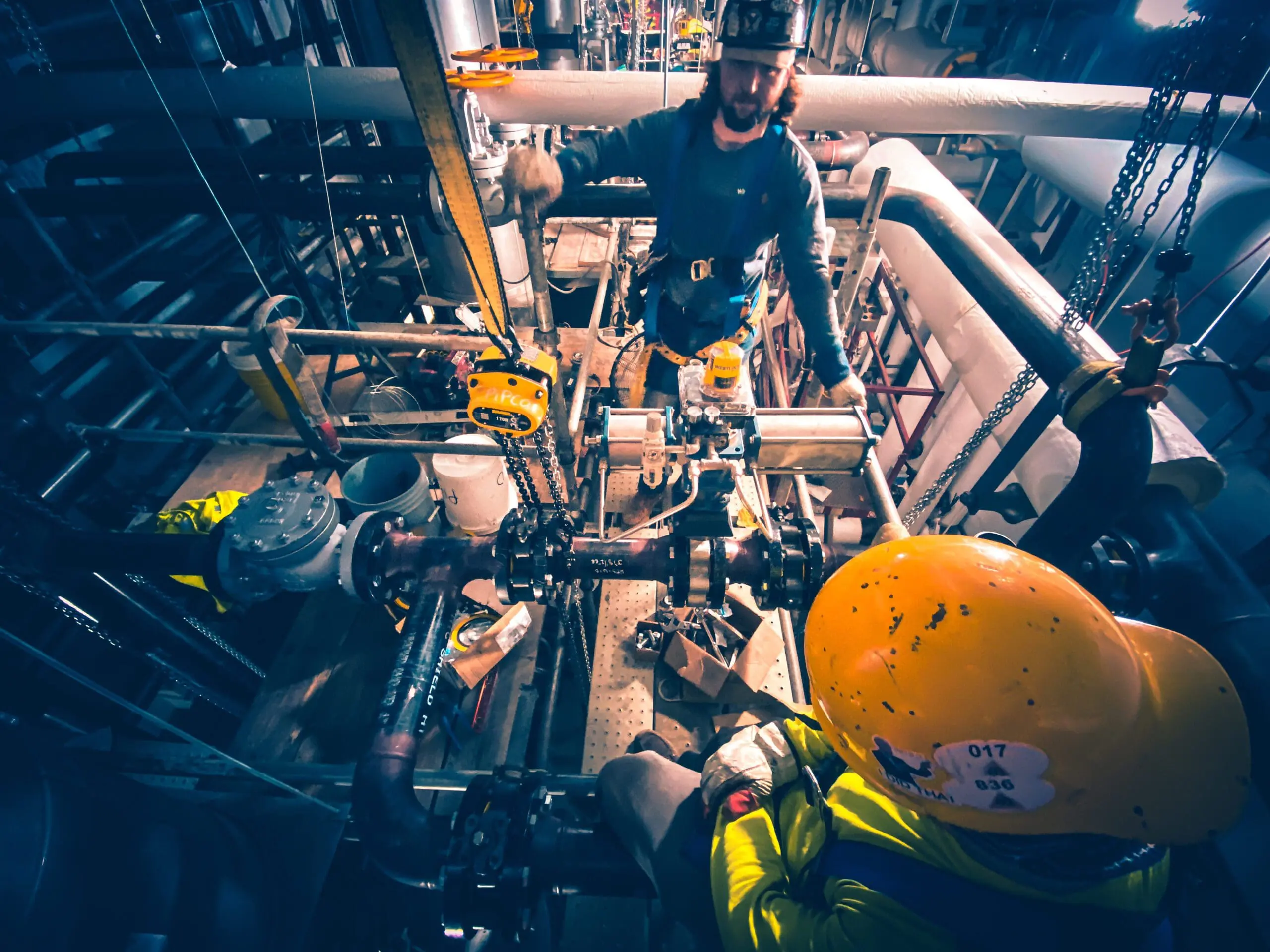
Shutdown and Tie-In Support for Food Plants
Many food-grade piping projects have to be completed while production is offline. That may mean a weekend shutdown, night shift, sanitation window, holiday outage, or planned equipment changeover.
DePue supports shutdown piping work by helping plan the scope before the outage begins. That includes field verification, material coordination, spool fabrication, isolation planning, demolition sequencing, manpower planning, testing requirements, and startup coordination.
In food and beverage plants, shutdown planning also has to account for sanitation windows, production restart timing, access restrictions, plant traffic, and coordination with maintenance, operations, safety, and quality teams.
Successful shutdown work depends on preparation. Materials, drawings, measurements, equipment access, safety controls, and testing requirements all need to be understood before the outage begins.
Shutdown piping work may include:
- Removing and replacing existing stainless process lines
- Installing prefabricated tie-in spools
- Connecting new tanks, pumps, skids, or production equipment
- Modifying valve stations or headers
- Rerouting food-grade or utility piping
- Installing temporary bypasses where required by the project
- Testing and checking the system before production restarts
Need more information?
Let's Talk Shutdown Support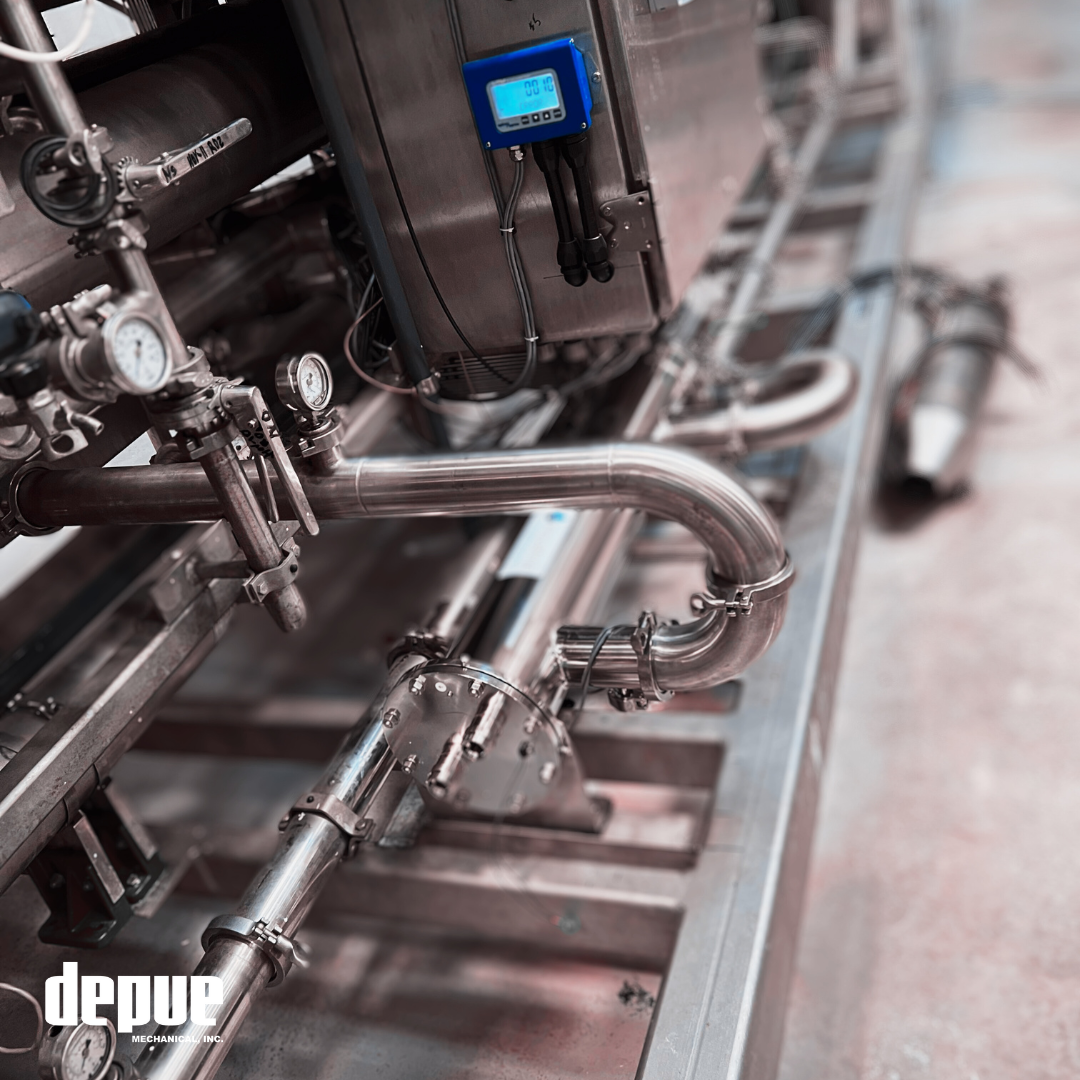
Food-Grade Piping for General Contractors and Construction Managers
General contractors and construction managers need piping subcontractors that understand the production environment, not just the construction schedule. Food-grade piping can affect equipment setting, floor penetrations, platforms, process skids, electrical routing, controls, insulation, sanitation requirements, and startup coordination.
DePue supports GC- and CM-led projects that require food-grade piping, sanitary stainless piping, process piping, utility piping, prefabrication, equipment tie-ins, and shutdown coordination.
DePue can support bid reviews, RFIs, field coordination, equipment vendor coordination, prefabrication planning, phased installation, and testing or turnover requirements.
For broader project support, visit our mechanical contractor for general contractors page.
We can support:
- Bid packages for food and beverage piping scopes
- New production line piping
- Retrofit piping inside active facilities
- Equipment tie-ins and skid connections
- Prefabricated piping assemblies
- Coordination with process equipment vendors
- Utility piping serving food production systems
- Field coordination with mechanical, electrical, structural, and controls trades
- Phased installation around production schedules
- Testing and turnover coordination
Need more information?
GC Piping Support
Technical Capabilities
Food-grade and sanitary piping work requires practical attention to materials, routing, fit-up, supports, testing, and production-area coordination. DePue approaches each project based on the facility requirements, drawings, piping specifications, equipment layout, connection types, operating conditions, and shutdown constraints.
Where project specifications require sanitary installation practices, the work should be coordinated around the applicable drawings, materials, connection types, cleaning requirements, testing expectations, and closeout documentation.
Depending on the scope, quality control may include material verification, weld and fit-up checks, visual inspection, pressure testing, flushing, leak checks, and closeout documentation required by the project.
Technical capabilities may include:
- Stainless steel piping and tubing installation
- Food-grade process piping
- Sanitary piping modifications
- Process water piping
- CIP-related piping support where required
- Steam and condensate piping
- Chilled water and glycol piping
- Compressed air piping
- Pump, tank, skid, mixer, filler, and heat exchanger tie-ins
- Pipe spool fabrication and prefabrication
- Valve, fitting, drain, vent, gauge, and instrument connection installation
- Pipe supports, hangers, guides, and rack piping
- Hydrostatic testing, pressure testing, flushing, and leak checks
- Shutdown planning and production restart coordination
Need more information?
Our Safety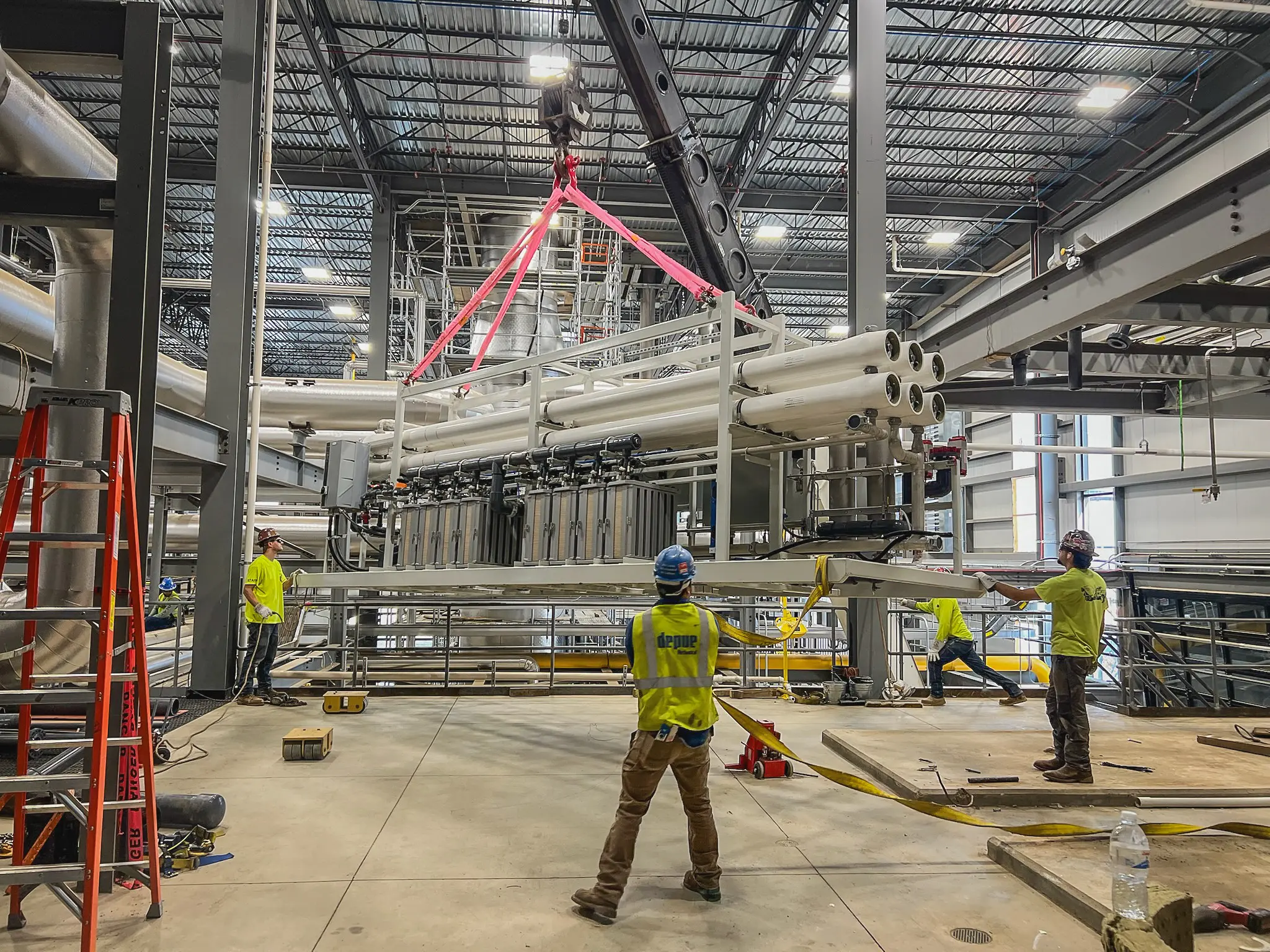
Industries Served
DePue Mechanical supports food-grade and sanitary piping work for facilities where cleanliness, production uptime, and reliable mechanical systems matter.
Each facility has different operating demands. A beverage plant may need stainless transfer piping, chilled water, compressed air, and process equipment tie-ins. A food manufacturing plant may need sanitary piping, steam, condensate, hot water, and shutdown coordination. A retrofit project may require careful demolition, prefabricated spools, off-shift installation, and testing before startup.
Typical food and beverage environments may include:
- Food manufacturing plants
- Beverage production facilities
- Ingredient processing facilities
- Dairy and beverage production environments
- Bakery and ingredient processing environments
- Prepared foods and packaged food production areas
- Packaging and production facilities
- Cold storage and refrigerated process environments
- Facilities with washdown areas
- Plants with stainless process piping
- GC- and CM-led food production projects
- Existing facilities undergoing expansion or equipment upgrades
Need more information?
More about Food & Bev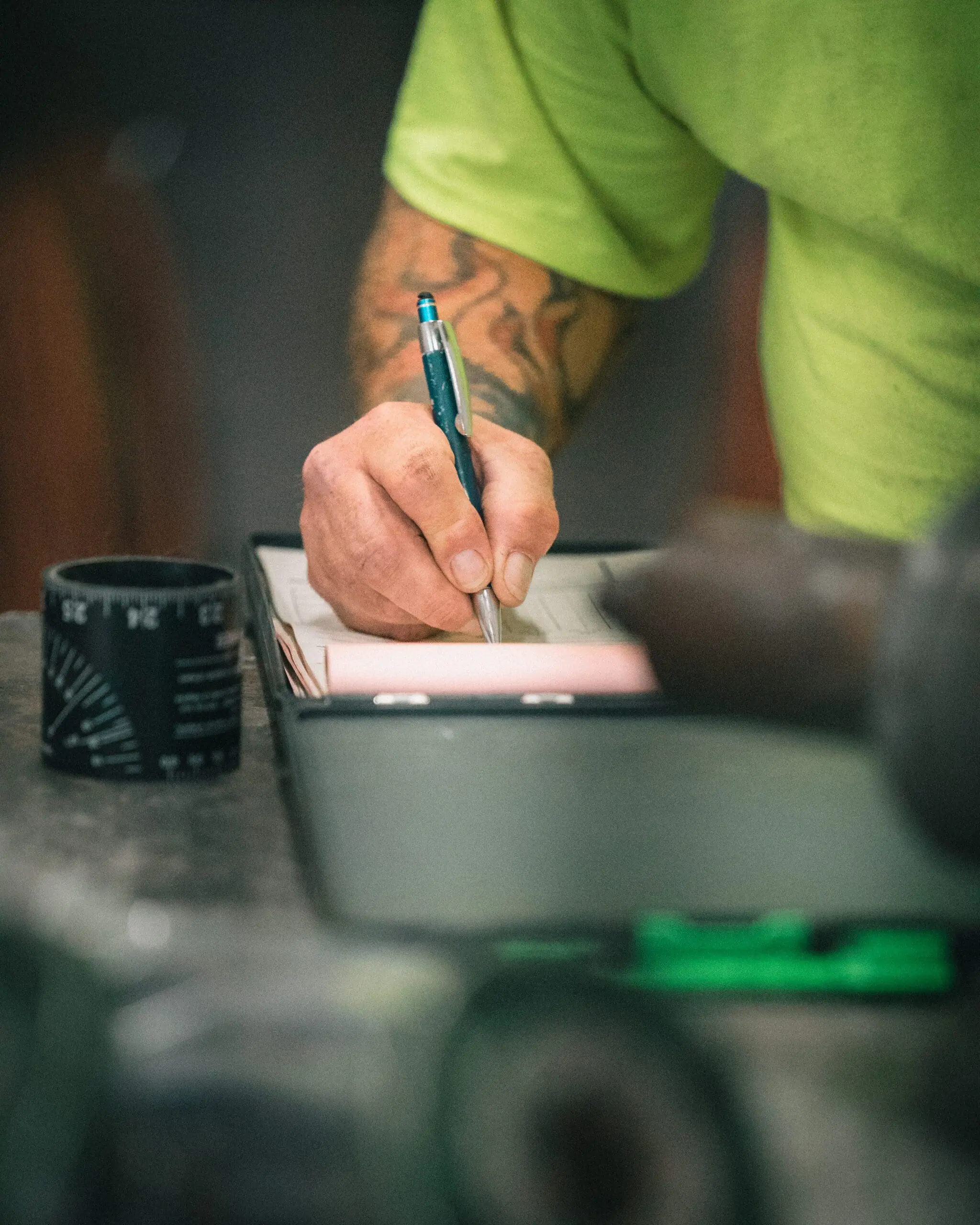
Why DePue Mechanical for Food-Grade and Sanitary Piping
Food-grade piping work has to be planned for the way the plant actually operates. Production schedules, sanitation windows, equipment access, washdown areas, existing utilities, and startup deadlines all affect how the work should be executed.
DePue Mechanical brings practical industrial piping experience to food and beverage facilities across Illinois. Our team understands that sanitary and food-grade piping projects often involve active production areas, stainless piping, tight tie-in windows, prefabricated assemblies, utility coordination, hot work controls, and testing before the system can be returned to service.
DePue’s value is in planning the work before crews enter the production area, coordinating field conditions early, and executing piping scopes with attention to safety, access, testing, and startup requirements.
The result is piping work planned around safety, cleanliness, uptime, and long-term system reliability.
Facilities and project teams work with DePue when they need:
- A food-grade piping contractor familiar with industrial plant environments
- Sanitary stainless piping installation and modification support
- Piping work coordinated around production and sanitation schedules
- Equipment tie-in experience for tanks, pumps, skids, mixers, fillers, and heat exchangers
- Prefabrication support to reduce field installation time
- Shutdown planning and outage execution
- Utility piping support for food production equipment
- Coordination with plant teams, engineers, OEMs, GCs, and CMs
- Testing and turnover discipline before startup
Need more information?
Why DePue Works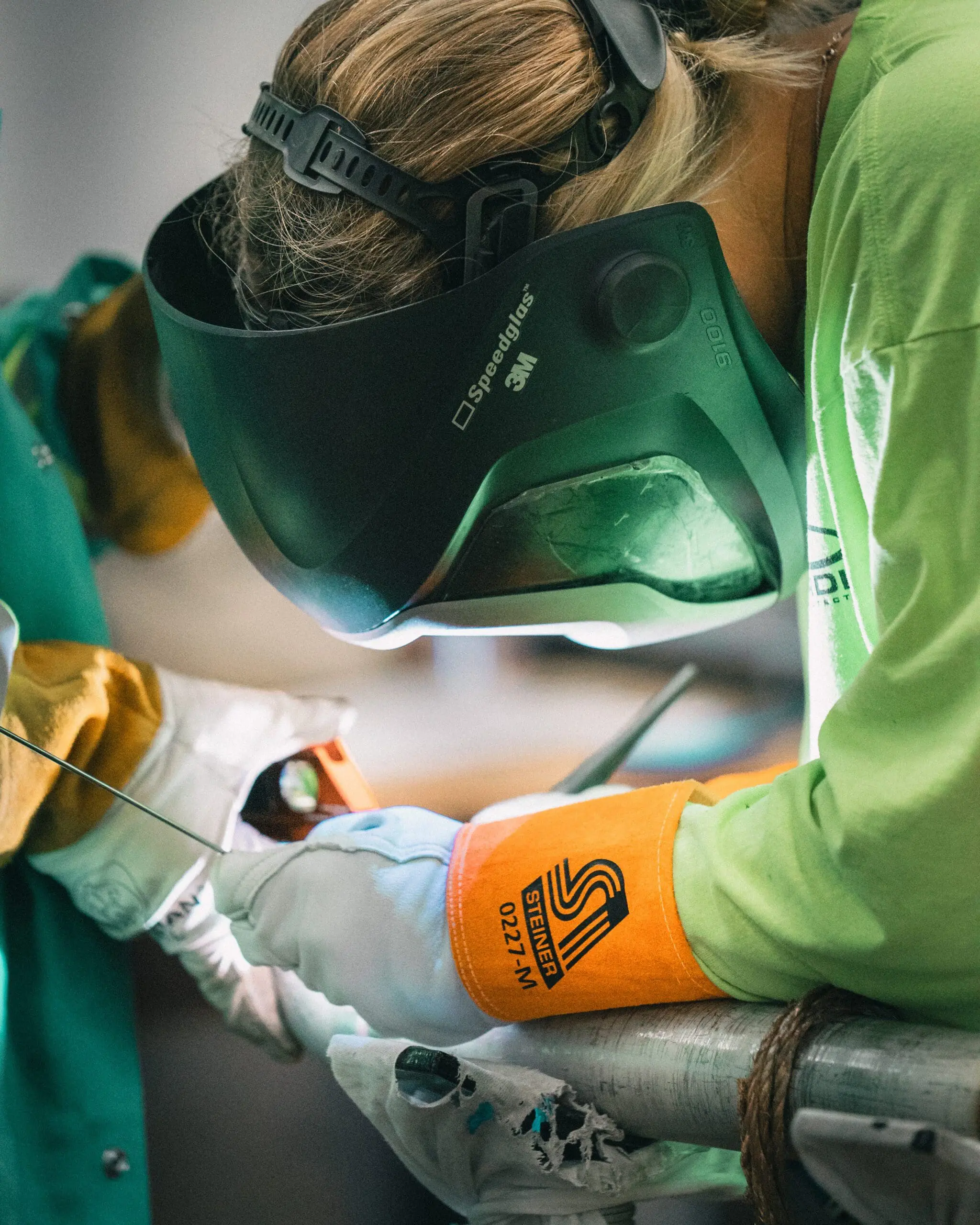
Related Piping Services
- Industrial Piping Contractor in Illinois
- Process Piping Contractor in Illinois
- Pipe Fabrication Contractor in Illinois
- Shutdown Piping Contractor in Illinois
- Industrial Utility Piping Contractor in Illinois
- Water & Wastewater Piping Contractor in Illinois
Need more information?
Let's Talk Piping Scope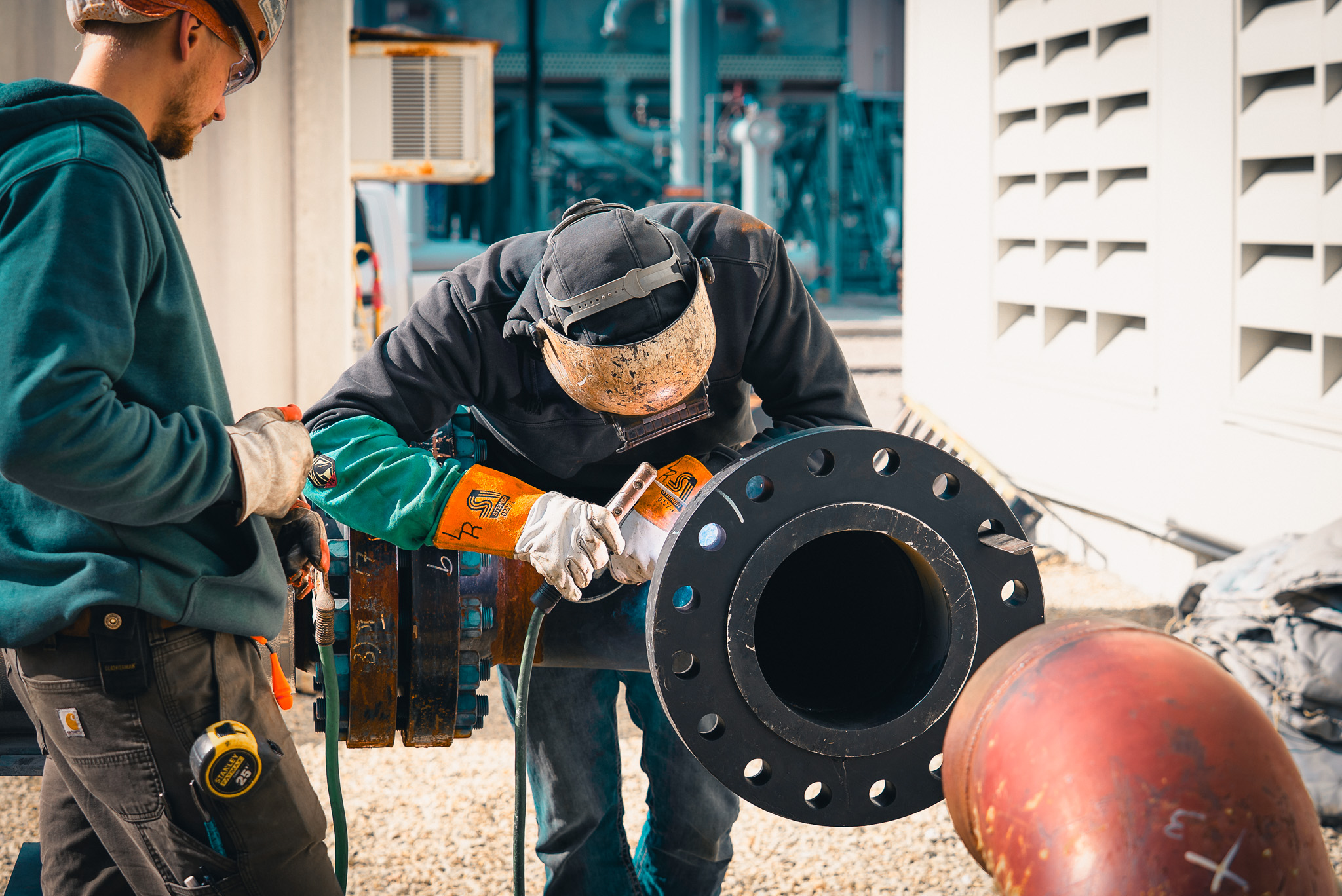
Request Food-Grade or Sanitary Piping Support
Schedule a Walkthrough Today
Send drawings, photos, equipment layouts, P&IDs, isometrics, or a written piping scope. DePue can support early planning, field verification, budget discussions, bid packages, shutdown preparation, and installation.