Serving Illinois
Commercial Facility Mechanical Capabilities
- Proven Commercial Mechanical Experience
- When Commercial Facilities Call DePue
- Planned HVAC Equipment Replacement
- Commercial Rooftop Unit Replacement
- Chiller, Boiler, and Cooling Tower Replacement
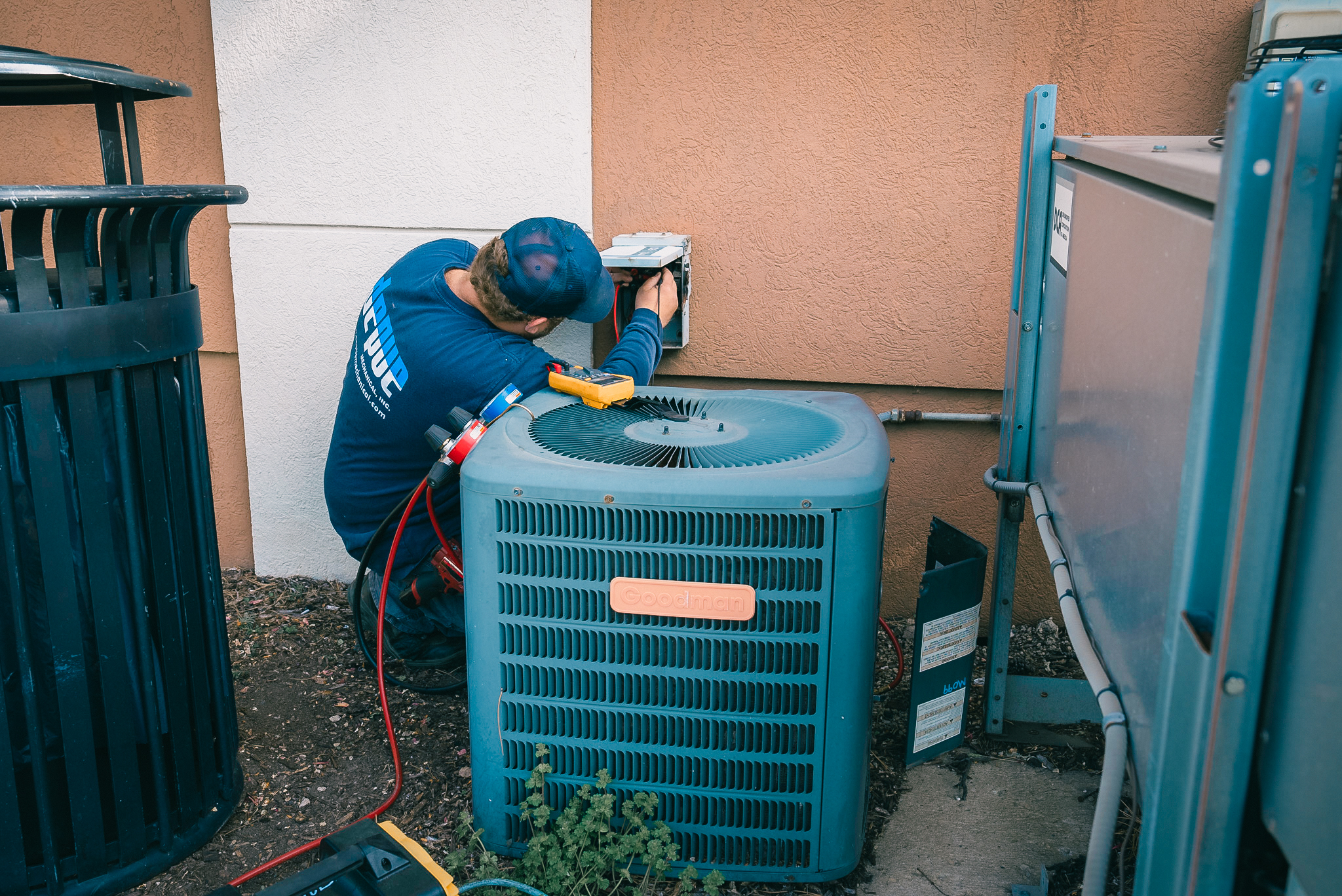
- Repair, Maintenance, and Emergency Support
- Renovations and Mechanical Construction
- Preconstruction, Design, and VDC
- Prime Contracting and Trade Coordination
- Work in Occupied Facilities
- Facilities and Construction Partners We Support
- How DePue Manages Commercial Project Risk
- Commercial Mechanical Contractor FAQs
Proven Commercial Mechanical Experience
DePue Mechanical has supported Illinois commercial and institutional facilities since 1964. Our experience includes occupied educational facilities, higher education properties, churches, multi-site commercial operations, and other buildings that must remain safe and operational while mechanical work is completed.
Commercial project examples include cooling tower demolition and replacement at an occupied Illinois educational facility, HVAC and mechanical work at higher education and religious properties, and multi-location support for a pet-hospitality operator. Specific client names may remain confidential, but the work demonstrates experience with equipment replacement, ongoing service, access planning, shutdown coordination, and occupied-building requirements.
Commercial projects are supported by experienced union tradespeople, a 24,000-square-foot fabrication shop, in-house HVAC, piping, sheet metal, equipment-setting, design, and prime-contracting capabilities, plus R, U, and PP stamp capabilities for applicable code work.
- Serving Illinois facilities since 1964
- Experienced union tradespeople
- Occupied commercial and institutional facilities
- Planned HVAC equipment replacement
- Commercial maintenance and repair
- In-house piping and sheet metal fabrication
- Equipment setting and steel fabrication
- Design, VDC, and prime-contracting support
Work with a commercial mechanical contractor that can support the complete project scope.
Schedule a Facility Walkthrough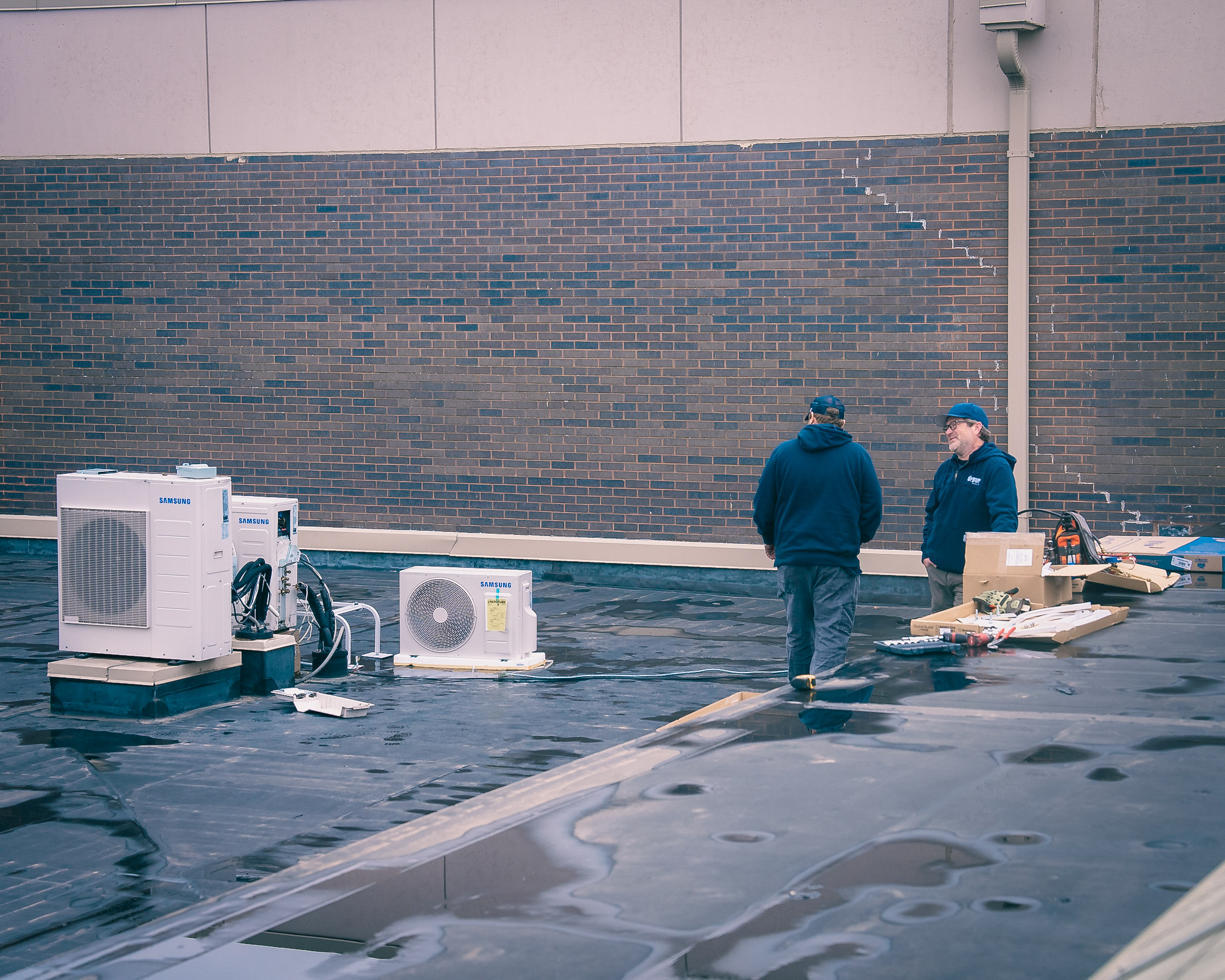
When Commercial Facilities Call DePue
Commercial facility teams typically contact DePue when an HVAC system is becoming unreliable, repair costs are increasing, a major piece of equipment needs to be replaced, or a building project requires several mechanical trades to work together.
We support property managers, facility managers, chief engineers, building engineers, commercial general contractors, and construction managers responsible for maintaining safe, comfortable, and operational buildings.
DePue is best suited for substantial commercial repairs, planned equipment replacements, preventive maintenance relationships, mechanical renovations, and facility-level construction projects. We do not provide residential HVAC service, appliance repair, standalone refrigeration service, new high-rise construction, or minor handyman-type work. We also do not pursue Downtown Chicago projects.
- Aging HVAC equipment
- Repeated or escalating repair needs
- Heating, cooling, or airflow problems
- Planned capital equipment replacement
- Preventive maintenance needs
- Mechanical renovations and system upgrades
- Multi-trade project coordination
- Urgent HVAC or mechanical failures
Planned HVAC Equipment Replacement
A planned equipment replacement gives the facility greater control over budget, equipment selection, installation timing, supporting trades, and occupant impact. An emergency replacement usually does not.
Rising repair costs, declining performance, unavailable replacement parts, repeated shutdowns, unusual noise, poor temperature control, and increasing occupant complaints may indicate that equipment is approaching the end of its useful life.
DePue helps facility teams evaluate existing equipment, compare repair and replacement options, establish priorities, and develop phased plans that align with future capital budgets. Our commercial HVAC services support the project from initial equipment review through installation, startup, and ongoing maintenance.
- Equipment condition assessment
- Repair-versus-replace evaluation
- Capital replacement planning
- Phased equipment replacement
- Equipment access and removal planning
- Temporary heating or cooling evaluation
- Supporting-trade coordination
- Startup and turnover planning
Planning an HVAC replacement within the next several budget cycles?
Schedule an Equipment Walkthrough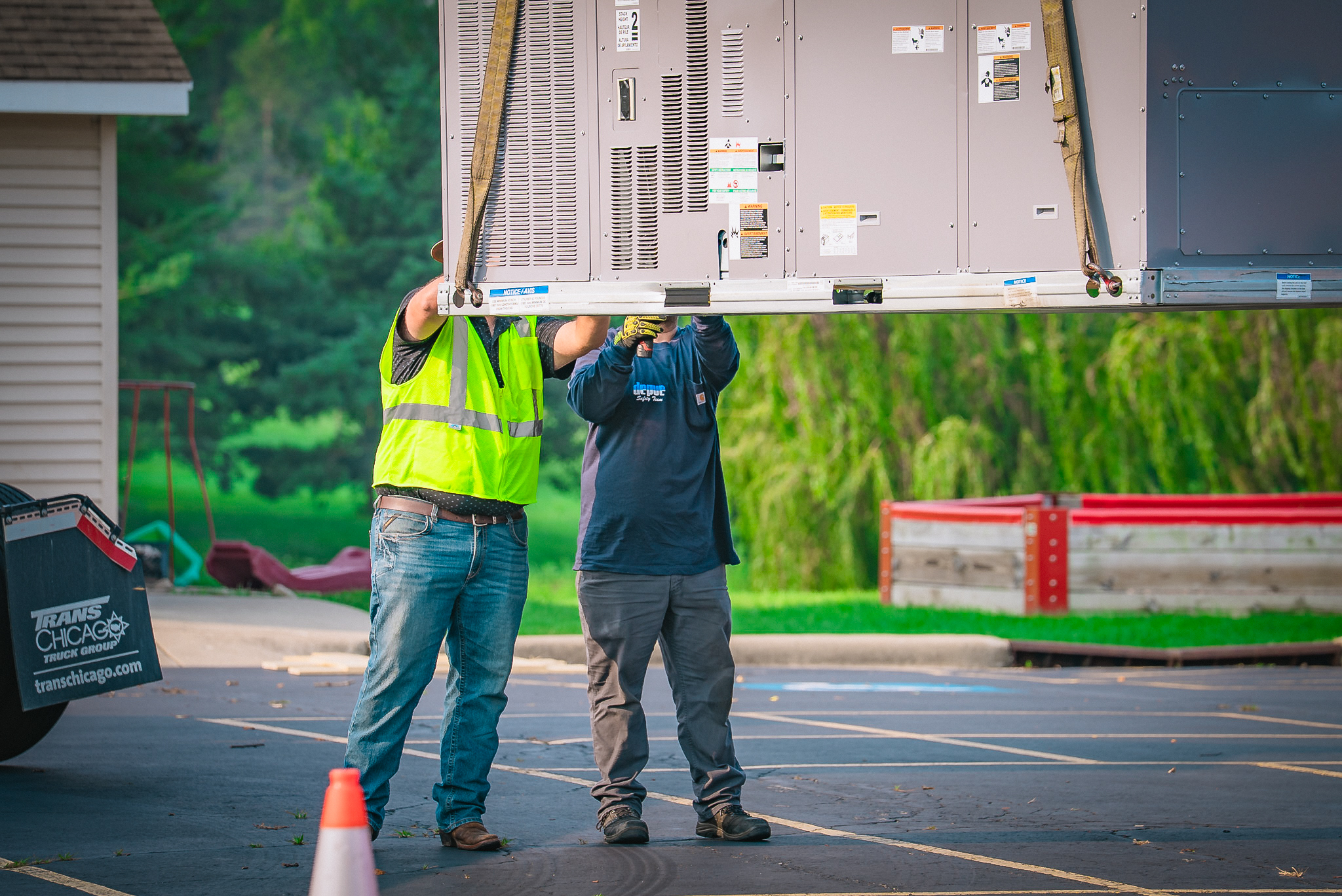
Commercial Rooftop Unit Replacement
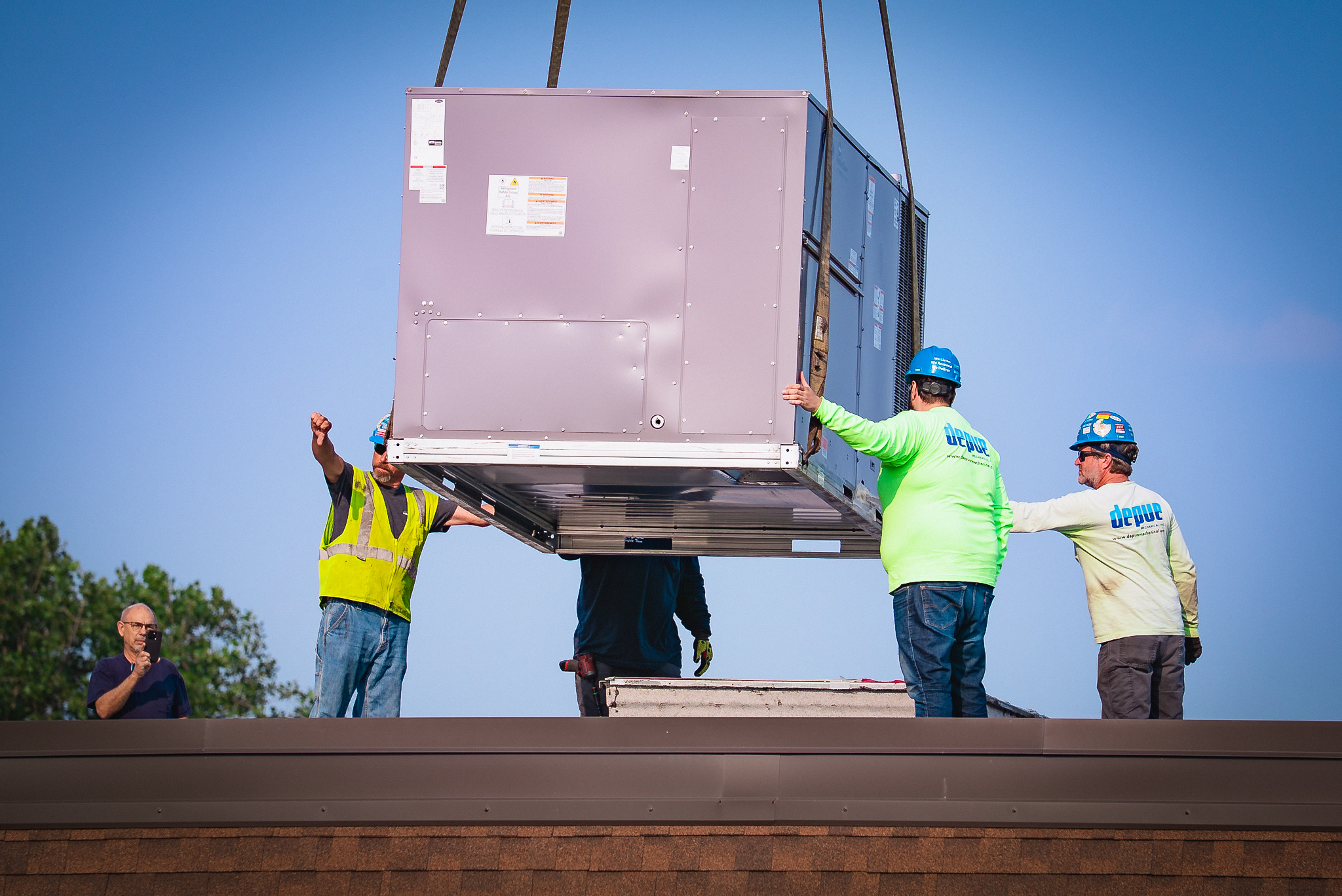
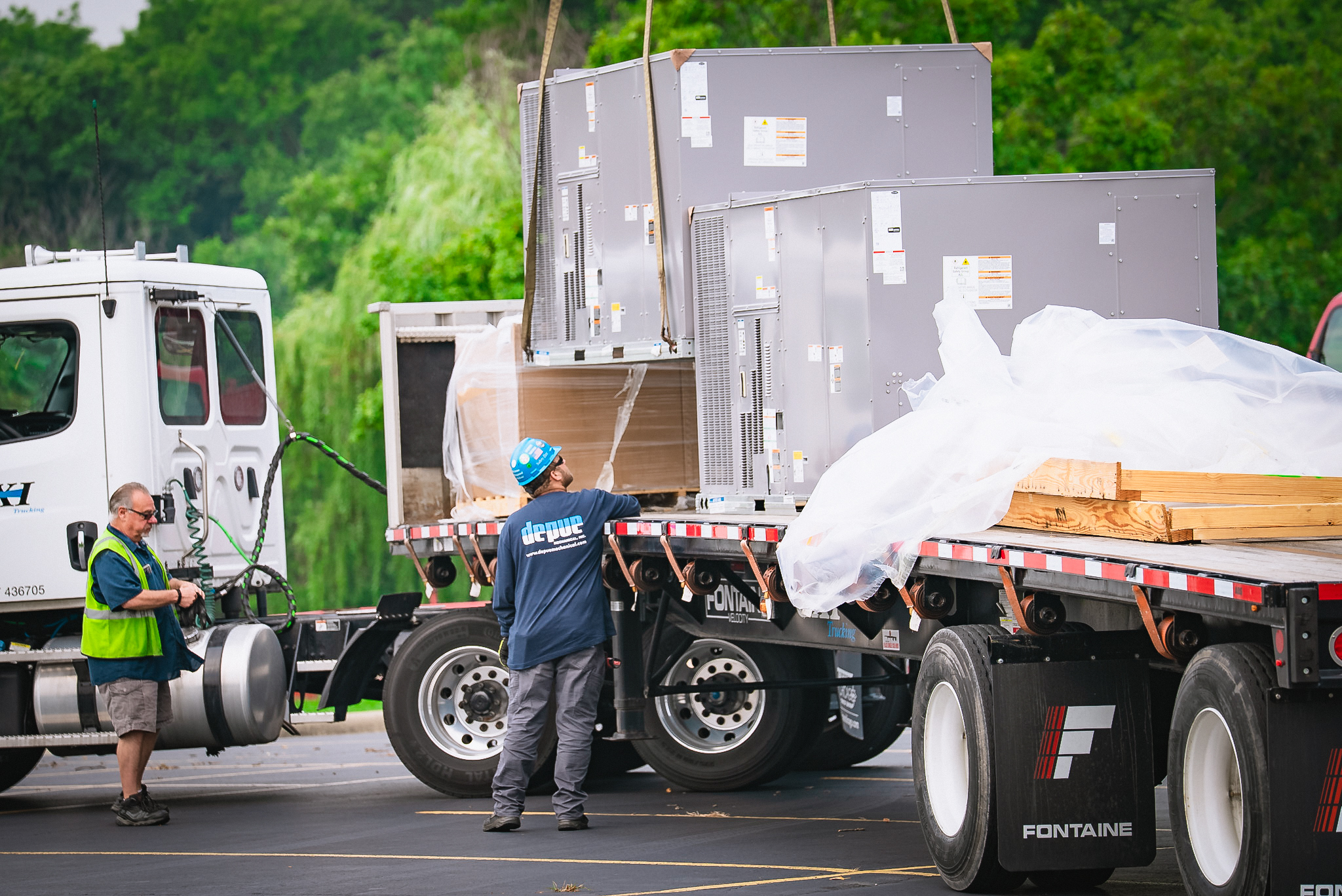
Replacing a rooftop unit involves more than ordering equipment and scheduling a crane. The project may require field verification, curb review, custom duct transitions, gas piping, condensate piping, roofing work, electrical coordination, controls integration, lift planning, startup, and testing.
DePue can coordinate the mechanical scope from the initial equipment assessment through removal, setting, connection, and final turnover.
For facilities with several aging rooftop units, our team can also help develop a phased replacement plan that prioritizes higher-risk equipment and distributes capital spending across multiple budget cycles.
Need to replace one rooftop unit or plan a multi-unit replacement program?
Commercial HVAC Services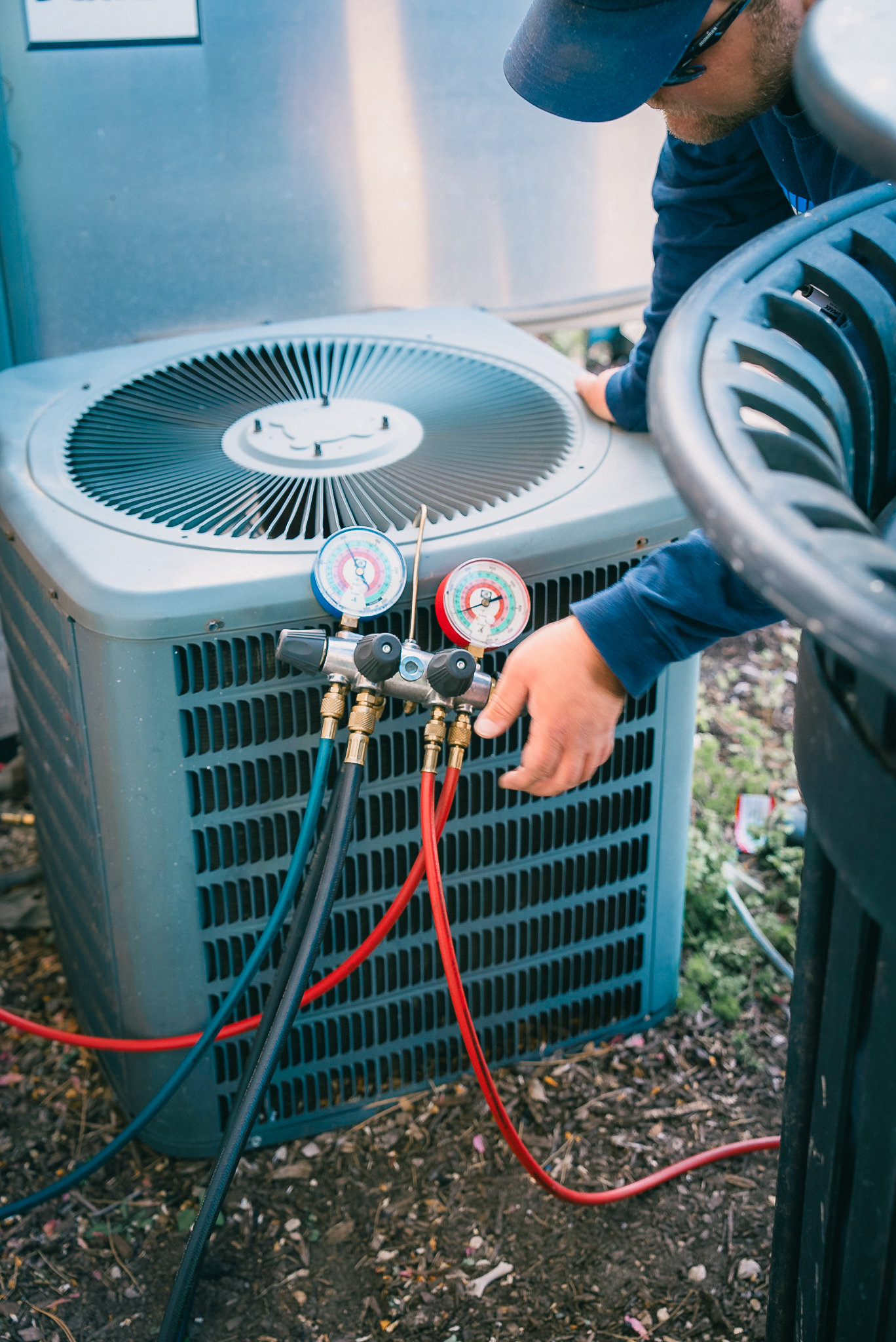
Chiller, Boiler, and Cooling Tower Replacement
Large central mechanical equipment affects more than building temperature. It can influence operating costs, occupant comfort, maintenance workload, facility reliability, and long-term capital planning.
DePue supports commercial chiller, boiler, and cooling tower projects requiring coordinated equipment removal, rigging, mechanical piping, structural supports, controls, and supporting construction.
For applicable boiler, pressure-piping, and code-sensitive scopes, DePue also provides boiler installation and code welding services. DePue maintains R, U, and PP stamp capabilities for applicable code work.
- Existing-condition assessment and replacement planning
- Equipment demolition, removal, and setting
- Hydronic supply and return piping
- Pump and heat-exchanger connections
- Boiler and cooling tower piping
- Equipment bases and structural supports
- Controls, electrical, and supporting-trade coordination
- Testing, startup, permits, and inspections
Planning a major central mechanical equipment replacement?
Schedule a Facility Walkthrough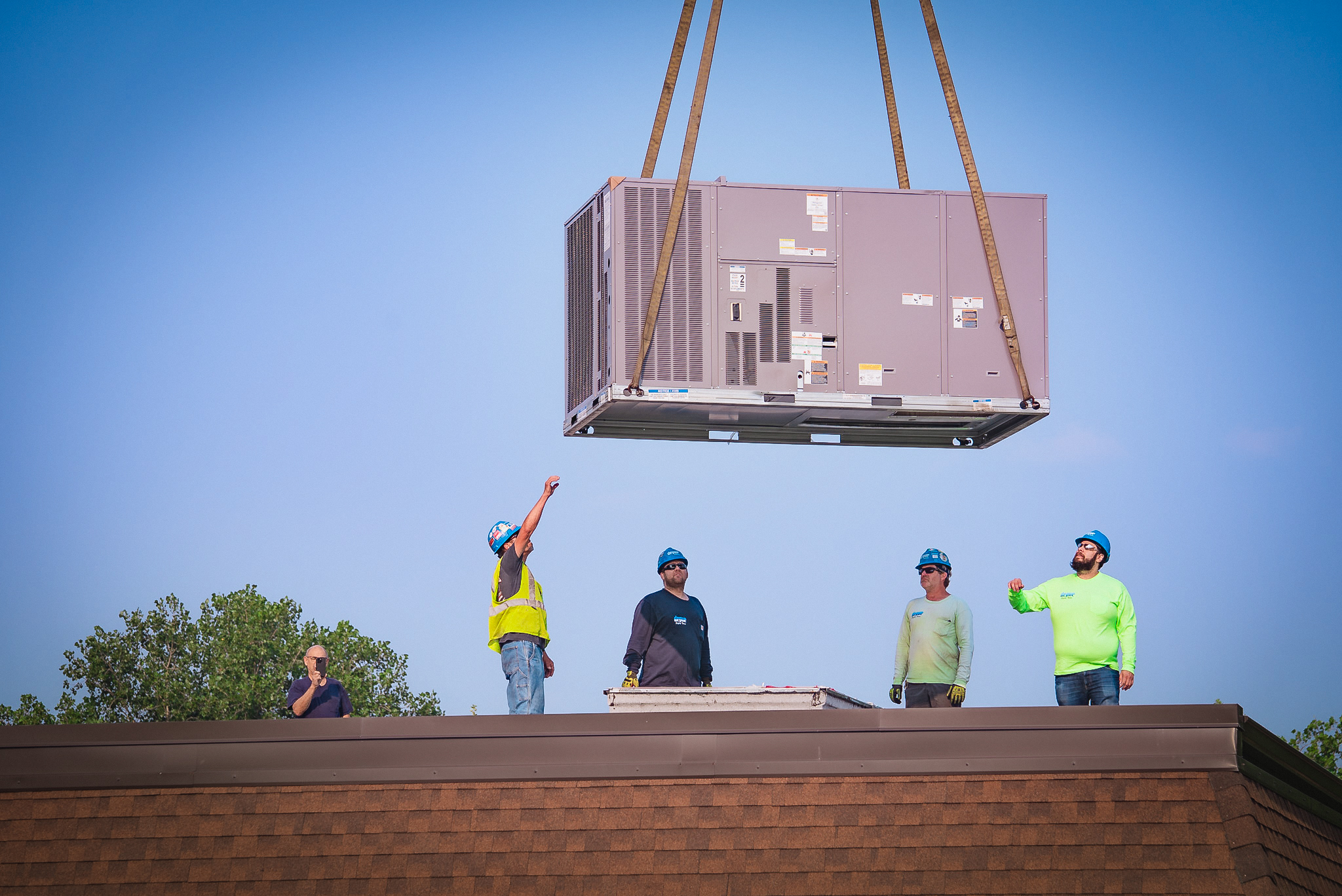
Repair, Maintenance, and Emergency Support
Commercial HVAC Repair and Troubleshooting
Not every equipment problem requires complete replacement. DePue provides commercial HVAC diagnostics and repair for facilities experiencing equipment failures, recurring shutdowns, poor airflow, uneven temperatures, unusual noise, and other system-performance concerns.Our service team evaluates the immediate issue while also looking for conditions that may cause the problem to return. When equipment is approaching the end of its service life, we help the facility compare the cost and operational risk of continued repairs against a planned replacement.
Preventive Maintenance Agreements
DePue develops maintenance programs around the facility’s equipment, operating schedule, service history, occupancy, risk, and budget.Most agreements include spring and fall service, but monthly, quarterly, year-round, and other customized service intervals are also available. Our commercial preventive maintenance services can include equipment inspections, condition reporting, repair recommendations, and future replacement planning.
24/7 Emergency Mechanical Service
Emergency support is available to both maintenance-agreement customers and facilities that do not currently have an agreement with DePue.For immediate assistance, complete our commercial emergency service request form or call 815-255-2500.
- Heating and cooling diagnostics
- Rooftop unit, boiler, chiller, and cooling tower service
- Spring and fall preventive maintenance
- Monthly, quarterly, or year-round service options
- Equipment condition reporting
- Repair and replacement prioritization
- Multi-building and multi-site coordination
- 24/7 emergency response
Is your facility experiencing an active HVAC or mechanical emergency?
Request Emergency Service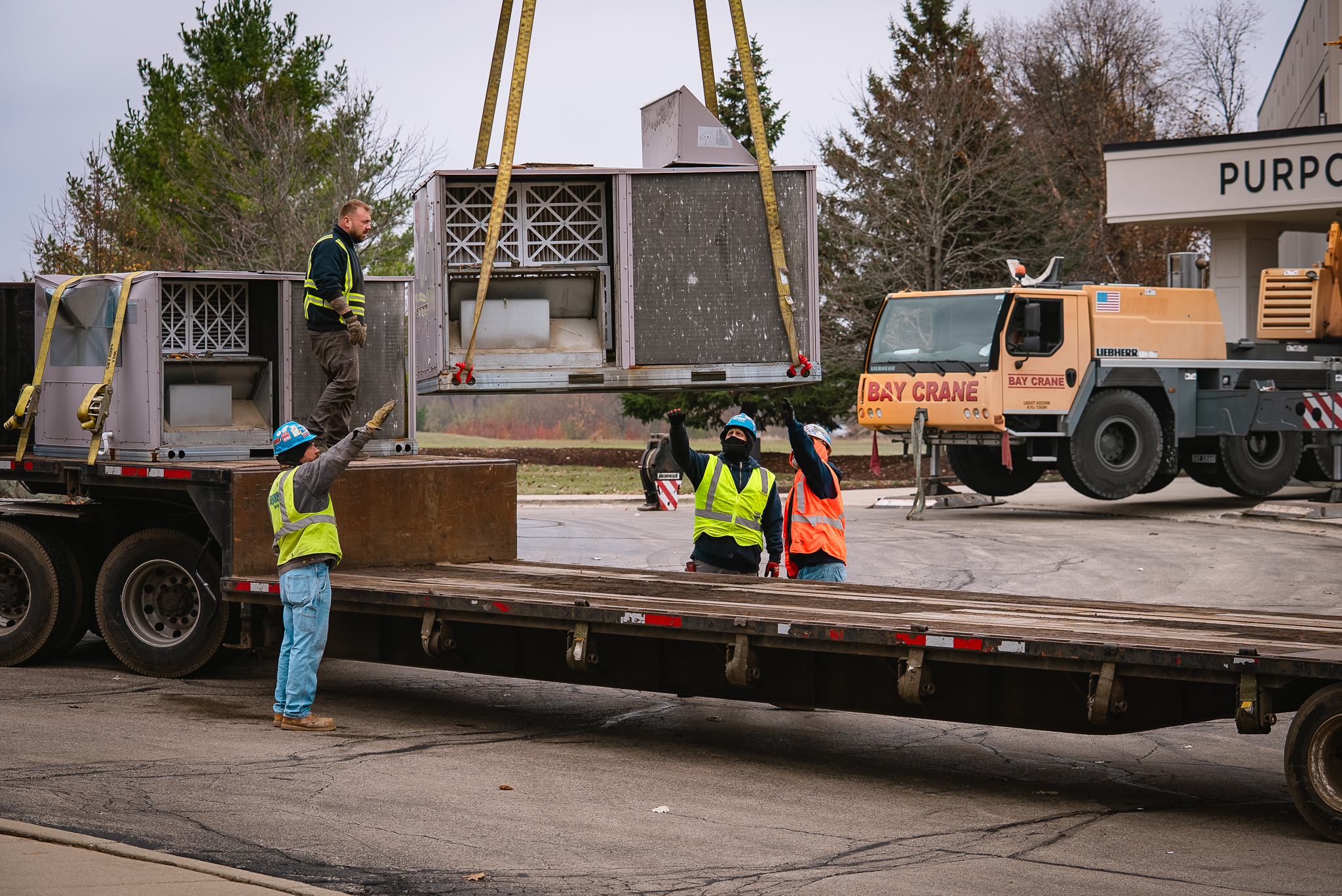
Renovations and Mechanical Construction
Commercial Mechanical Renovations
Renovation work often reveals mechanical conditions that were not visible during early planning. Existing ductwork may conflict with a new layout, piping may interfere with ceilings or structure, and equipment may be difficult to access or relocate.DePue supports commercial renovations involving HVAC equipment, mechanical rooms, building additions, system expansions, equipment relocation, controls, structural supports, and occupied-building requirements.
Sheet Metal and Ductwork
Our in-house commercial sheet metal and ductwork capabilities support custom transitions, equipment connections, curbs, fittings, duct modifications, ventilation systems, and prefabricated assemblies.Commercial Mechanical Piping
DePue’s mechanical piping capabilities include hydronic heating and cooling piping, natural gas piping, pump connections, equipment tie-ins, mechanical-room modifications, and related supports.Equipment Setting and Steel Supports
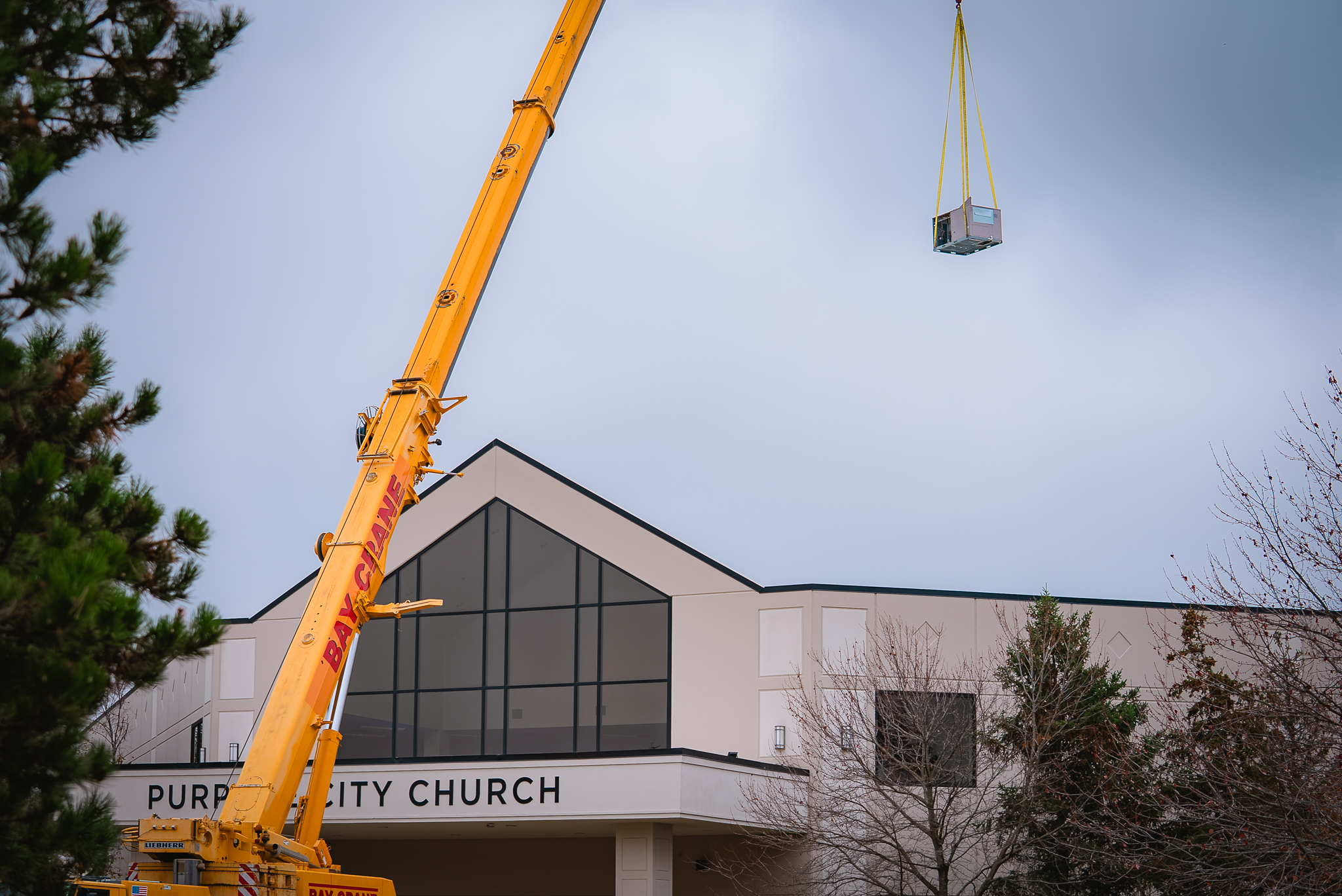
Our equipment setting and steel fabrication services support equipment removal, rigging, positioning, alignment, anchoring, bases, platforms, frames, and final mechanical connections.- Mechanical room renovations and system expansions
- HVAC equipment relocation and replacement
- Custom sheet metal and ductwork
- Hydronic and natural gas piping
- Ventilation and exhaust modifications
- Equipment setting, rigging, and alignment
- Equipment bases and structural supports
- Mechanical system integration
Preconstruction, Design, and VDC
Commercial projects become more difficult and expensive when equipment access, routing, clearances, shutdown requirements, and trade conflicts are not identified before field installation begins.
DePue can support early planning through facility walkthroughs, existing-condition assessments, field measurements, repair-versus-replace recommendations, capital budgeting, equipment layouts, constructability reviews, project phasing, and shutdown planning.
For projects requiring detailed coordination, DePue’s mechanical design and VDC services can help verify existing conditions, coordinate equipment and piping layouts, identify conflicts, and create a more buildable installation plan.
- Existing-condition verification
- Field measurement and equipment layouts
- Repair-versus-replace recommendations
- Constructability reviews
- Equipment-access planning
- Clash and trade coordination
- Prefabrication and installation sequencing
- Shutdown and project-phasing plans
Coordinate the installation before crews and equipment arrive on site.
Design and VDC Services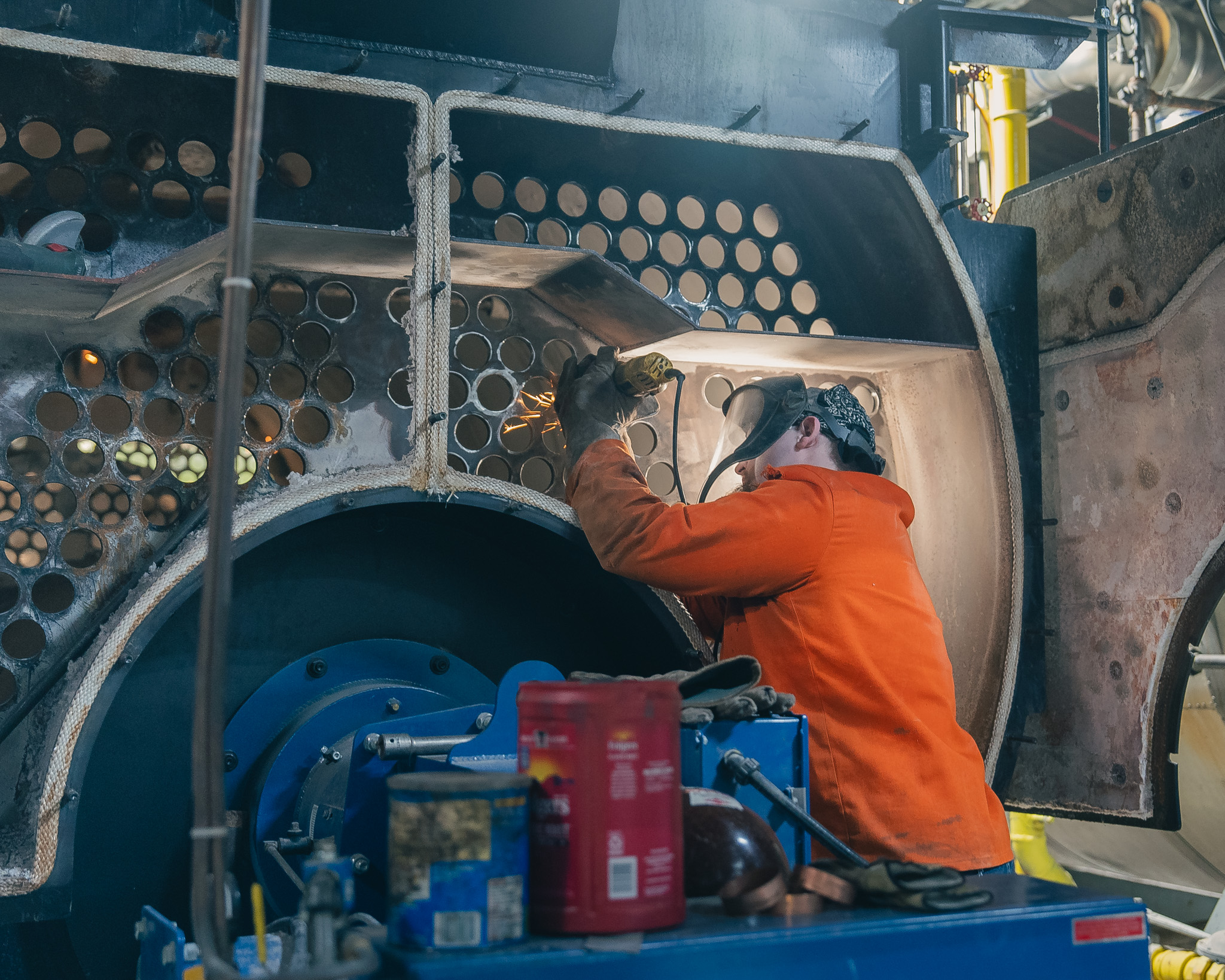
Prime Contracting and Trade Coordination
Major commercial equipment replacements and renovations frequently require more than one trade. A rooftop unit replacement may involve roofing, electrical, controls, structural modifications, and crane coordination. A chiller or boiler project may also require demolition, concrete, equipment setting, permits, and architectural restoration.
DePue can serve as the prime general contractor for commercial mechanical projects, coordinating supporting contractors through one point of accountability.
Because DePue self-performs the core mechanical work, the overall project can be managed around the equipment and systems driving the scope rather than around a disconnected group of subcontractors.
- Roofing contractors
- Electrical contractors
- Controls contractors
- Structural steel and equipment supports
- Crane and rigging
- Concrete, demolition, and equipment pads
- Permits, inspections, and restoration
- Startup, commissioning, and project closeout
Reduce the number of contractors your facility must coordinate directly.
View Prime Contracting Services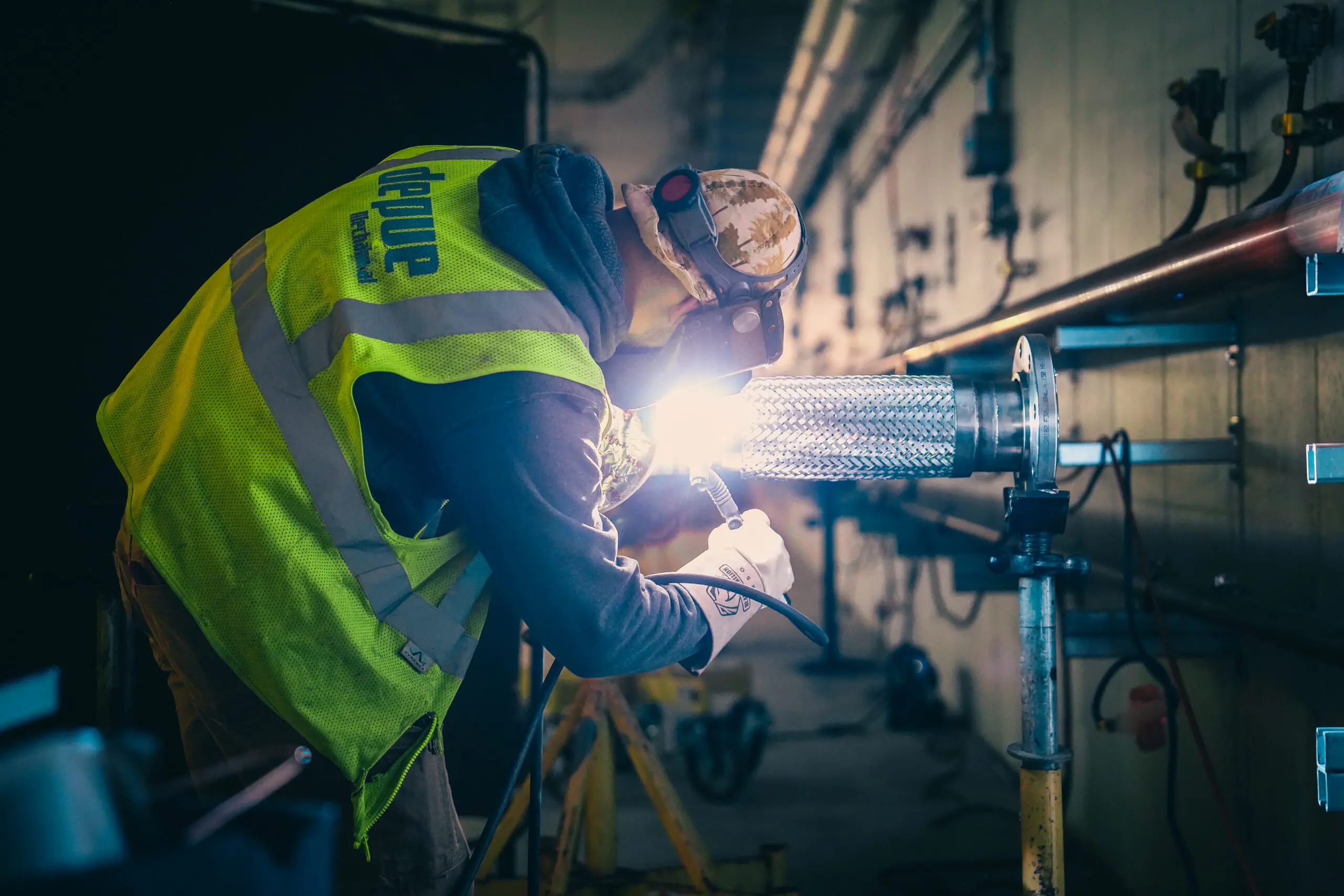
Work in Occupied Facilities
Commercial mechanical work frequently must be completed while the building remains open and operational.
DePue plans work around employees, tenants, customers, students, visitors, worshippers, animals, and other building occupants. Depending on the project, this may require phased installation, temporary systems, evening or weekend work, restricted work zones, short shutdown windows, and coordinated communication with facility personnel.
The objective is to complete the mechanical work safely while limiting avoidable disruption to the people who use the building and the teams responsible for operating it.
- Phased installation
- Temporary heating or cooling
- Evening and weekend work
- Restricted work zones
- Short system shutdowns
- Noise, dust, and access controls
- Occupant and facility-team communication
- Crane, delivery, and startup scheduling
Facilities and Construction Partners We Support
Commercial and Institutional Facilities
DePue supports commercial and institutional properties throughout our Illinois service area, including offices, corporate campuses, retail properties, warehouses, distribution centers, hospitality facilities, restaurants, entertainment venues, banks, laboratories, data centers, government properties, churches, higher education facilities, pet-care facilities, and multi-site commercial portfolios.Our commercial work is focused on suburban and regional Illinois facilities. Service availability depends on project location, scope, project type, and applicable union jurisdiction.
Commercial General Contractors and Construction Managers
DePue also works as a mechanical subcontractor for commercial general contractors and construction managers.Our team can support preconstruction, plan-and-spec construction, design-build work, HVAC installation, piping, sheet metal, equipment setting, trade coordination, phased renovations, and off-hours installation. For prequalification information and subcontracting capabilities, visit our mechanical subcontractor page for general contractors.
- Offices and corporate campuses
- Retail and mixed commercial properties
- Warehouses and distribution centers
- Hospitality, restaurant, and entertainment facilities
- Banks, laboratories, and data centers
- Government, education, and religious facilities
- Multi-site commercial property portfolios
- Commercial general contractors and construction managers
Need a mechanical subcontractor for an upcoming commercial project?
View GC Capabilities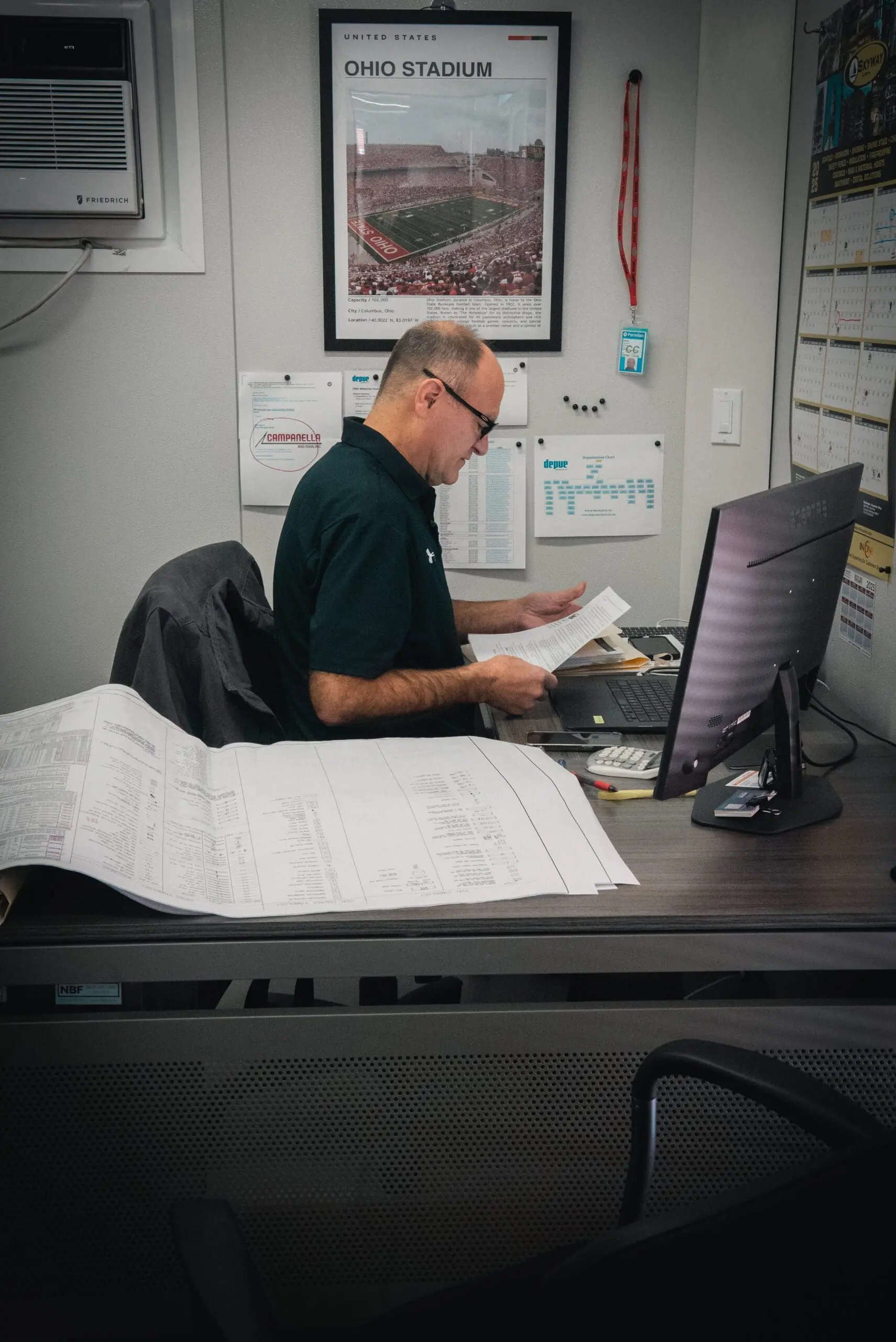
How DePue Manages Commercial Project Risk
1. Facility Walkthrough and Existing-Condition Review
DePue begins by reviewing the equipment, mechanical systems, access conditions, current problems, operating requirements, and available facility documentation.2. Scope, Priorities, and Budget Planning
Our team helps identify immediate repairs, replacement risks, supporting work, coordination needs, and items that should be considered for future capital planning.3. Preconstruction and Coordination
Before installation begins, DePue coordinates equipment, piping, ductwork, rigging, controls, roofing, structural work, electrical work, shutdown requirements, permits, and other supporting trades.4. Installation and Field Execution
The work is completed around the facility’s schedule, safety requirements, occupants, access restrictions, and required system availability. Project supervision and communication help keep facility representatives informed throughout construction.5. Startup, Turnover, and Ongoing Support
After installation, DePue supports equipment startup, operational verification, inspection coordination, project closeout, preventive maintenance, future repairs, and long-term capital planning.- Scope gaps and hidden conditions
- Equipment access and removal
- Trade conflicts
- Shutdown duration
- Occupant and operational disruption
- Schedule and vendor coordination
- Startup and project turnover
- Long-term maintenance and replacement needs
Start with a walkthrough of your current equipment, operating needs, and project priorities.
Schedule a Facility Walkthrough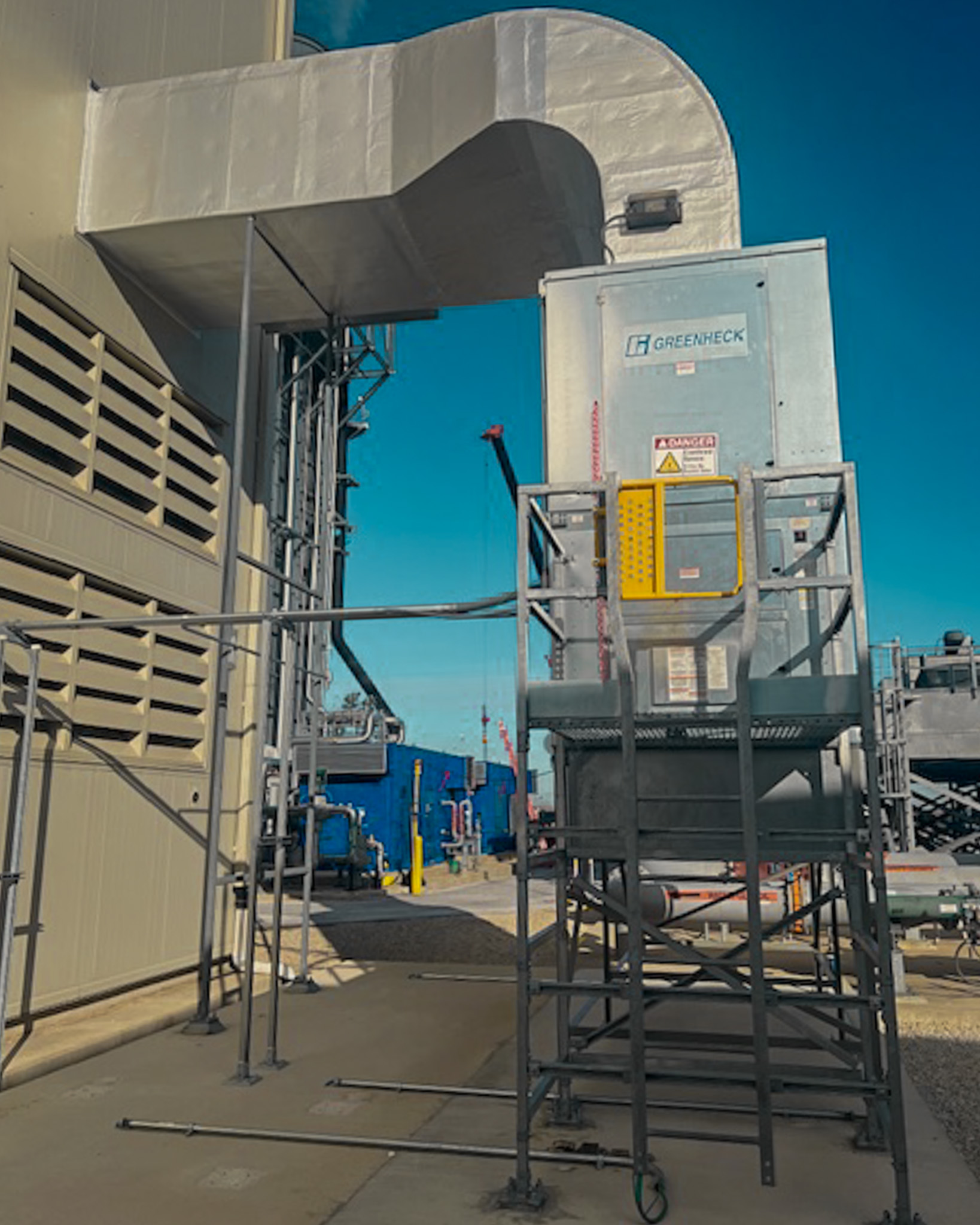
Commercial Mechanical Contractor FAQs
What does a commercial mechanical contractor do?
A commercial mechanical contractor installs, replaces, repairs, and maintains the HVAC and mechanical systems that support commercial buildings. The scope may include rooftop units, boilers, chillers, cooling towers, air-handling units, ductwork, hydronic piping, natural gas piping, pumps, ventilation systems, equipment setting, controls coordination, and supporting construction.What types of commercial facilities does DePue Mechanical serve?
DePue supports offices, corporate campuses, retail properties, warehouses, distribution centers, hospitality facilities, restaurants, entertainment venues, financial facilities, laboratories, data centers, government properties, churches, higher education facilities, pet-care facilities, and multi-site commercial portfolios throughout our Illinois service area.Project availability depends on the location, scope, project type, and applicable union jurisdiction.
Does DePue replace commercial rooftop HVAC units?
Yes. DePue supports commercial rooftop unit replacement from initial equipment evaluation through removal, crane and rigging coordination, setting, ductwork transitions, natural gas piping, condensate piping, controls coordination, roofing coordination, startup, and operational verification.For facilities with several aging rooftop units, DePue can also help develop a phased replacement plan based on equipment condition, operational risk, and available capital budgets.
Can DePue replace commercial chillers, boilers, and cooling towers?
Yes. DePue supports planned replacement of chillers, boilers, cooling towers, pumps, and related commercial mechanical systems.Depending on the project, our scope may include equipment demolition, removal, rigging, setting, hydronic piping, equipment connections, structural supports, sheet metal, controls coordination, testing, startup, permits, and inspections.
For applicable boiler and pressure-piping work, DePue also provides boiler installation and code welding services.
Can DePue help determine whether commercial HVAC equipment should be repaired or replaced?
Yes. DePue can review the equipment’s condition, age, repair history, recurring problems, replacement-part availability, performance, operating risk, and anticipated future costs.This information can help facility teams compare the cost and risk of continued repairs against a planned equipment replacement.
Does DePue offer commercial HVAC preventive maintenance agreements?
Yes. DePue provides customized commercial preventive maintenance programs based on the facility’s equipment, operating schedule, occupancy, service history, and maintenance priorities.Most agreements include spring and fall maintenance, but monthly, quarterly, year-round, and other customized service intervals are also available.
What can be included in a commercial preventive maintenance agreement?
The scope depends on the equipment and operating needs of the facility. Services may include rooftop unit inspections, filter replacement, coil cleaning, belt checks, refrigerant-system checks, boiler inspections, chiller maintenance, cooling tower maintenance, pump and hydronic-system checks, thermostat and controls diagnostics, equipment condition reporting, repair recommendations, and future replacement planning.DePue can also coordinate maintenance across multiple buildings or commercial locations.
Is 24/7 emergency service available without a maintenance agreement?
Yes. DePue provides 24/7 commercial HVAC and mechanical emergency service to both maintenance-agreement customers and facilities that do not currently have an agreement.For urgent assistance, complete the commercial emergency service request form or call 815-255-2500.
Can DePue complete mechanical work while a commercial building remains occupied?
Yes. DePue plans commercial mechanical work around occupants, operating hours, access restrictions, required shutdowns, building events, and temporary heating or cooling needs.Depending on the project, work may be completed in phases or scheduled during evenings, weekends, low-occupancy periods, or planned shutdown windows to reduce disruption.
Can DePue serve as the prime contractor for a commercial mechanical project?
Yes. DePue can serve as the prime general contractor for commercial mechanical projects requiring supporting trades such as roofing, electrical, controls, structural steel, concrete, crane and rigging, demolition, permits, and architectural restoration.This gives the owner or facility team one point of accountability for the contractors supporting the mechanical scope.
Does DePue provide design-build and VDC support for commercial projects?
Yes. DePue can assist with existing-condition verification, field measurements, equipment layouts, mechanical design support, constructability reviews, coordination, project phasing, shutdown planning, and installation sequencing.Our mechanical design and VDC services can help identify routing, access, clearance, and trade conflicts before field installation begins.
Does DePue work with commercial general contractors and construction managers?
Yes. DePue works as a mechanical subcontractor for commercial general contractors and construction managers on plan-and-spec, design-build, renovation, equipment replacement, piping, sheet metal, and equipment-setting projects.Visit our mechanical subcontractor page for general contractors for additional capabilities and prequalification information.
Does DePue provide residential HVAC, refrigeration, or appliance repair?
No. DePue focuses on commercial, institutional, industrial, and process facilities. We do not provide residential HVAC service, standalone refrigeration service, appliance repair, or minor handyman-type work.Does DePue work in Downtown Chicago or on new high-rise construction?
No. DePue’s commercial work is focused on suburban and regional Illinois facilities. We do not pursue Downtown Chicago projects or new high-rise construction.How do we begin planning a commercial mechanical project?
Begin by scheduling a commercial facility walkthrough.Tell us which equipment or system is creating concern, what problems the facility is experiencing, whether the need is immediate, and whether the work is part of a future maintenance or capital-replacement plan.
Still have questions about your facility or an upcoming commercial mechanical project?
Schedule a Commercial Facility Walkthrough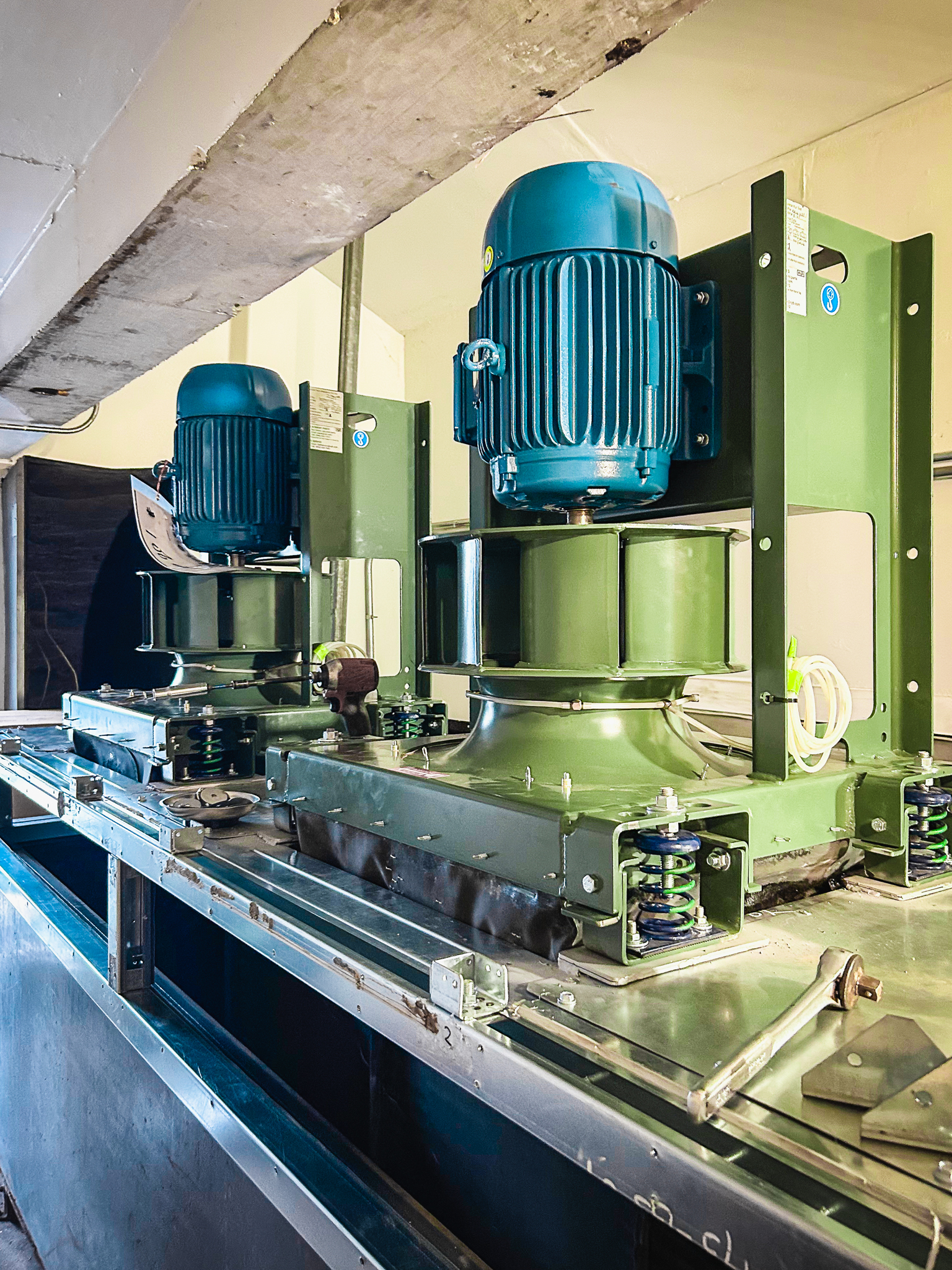
What Our Clients Say
Schedule a Planning Call
Schedule a Planning Call
If your Illinois power facility is planning piping work, pump replacement, mechanical upgrades, equipment tie-ins, a shutdown, or an emergency repair, schedule a planning call. We can help your team review the scope, identify field constraints, evaluate prefabrication opportunities, and build a practical plan for completing the work safely and efficiently.