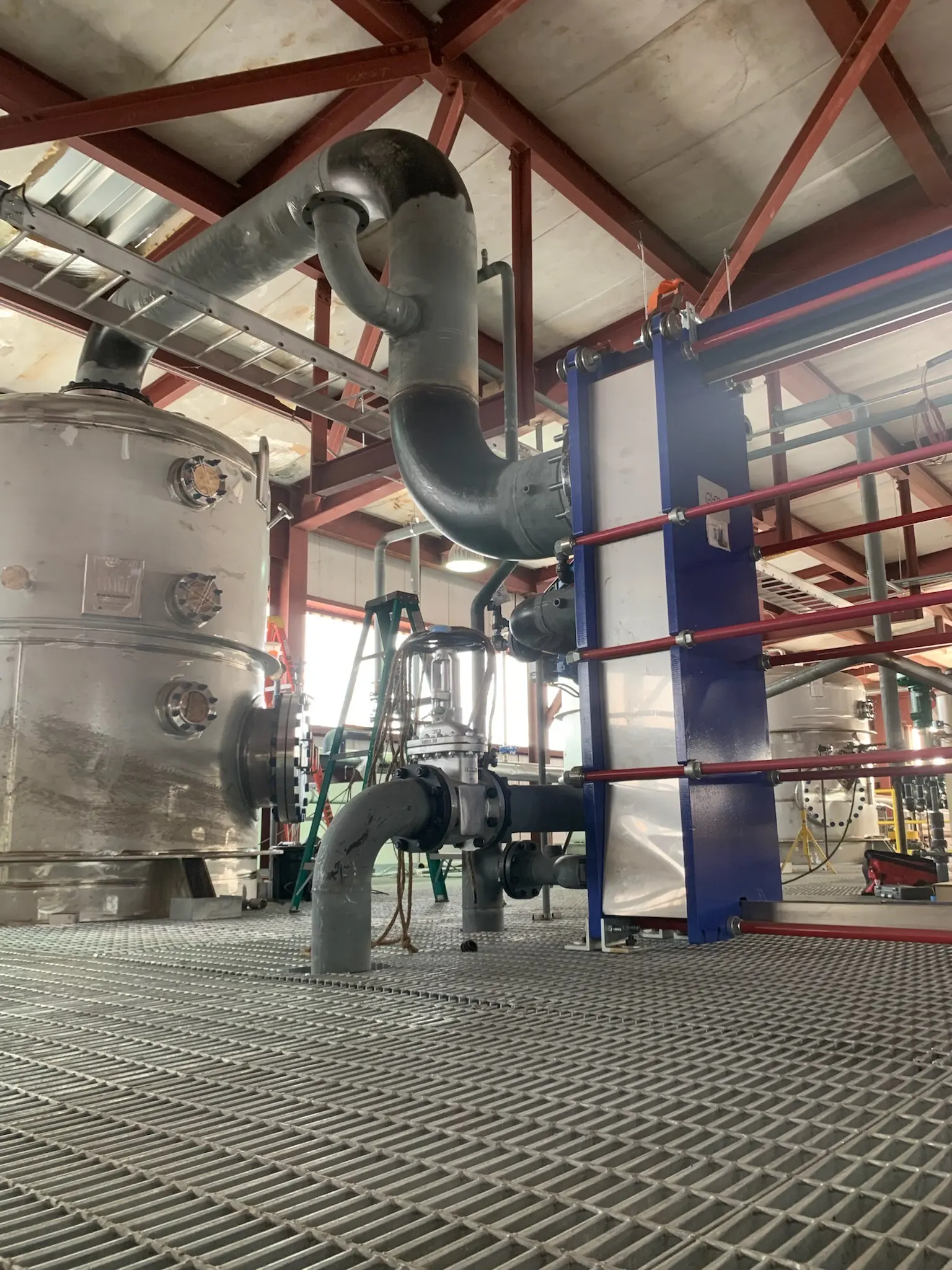
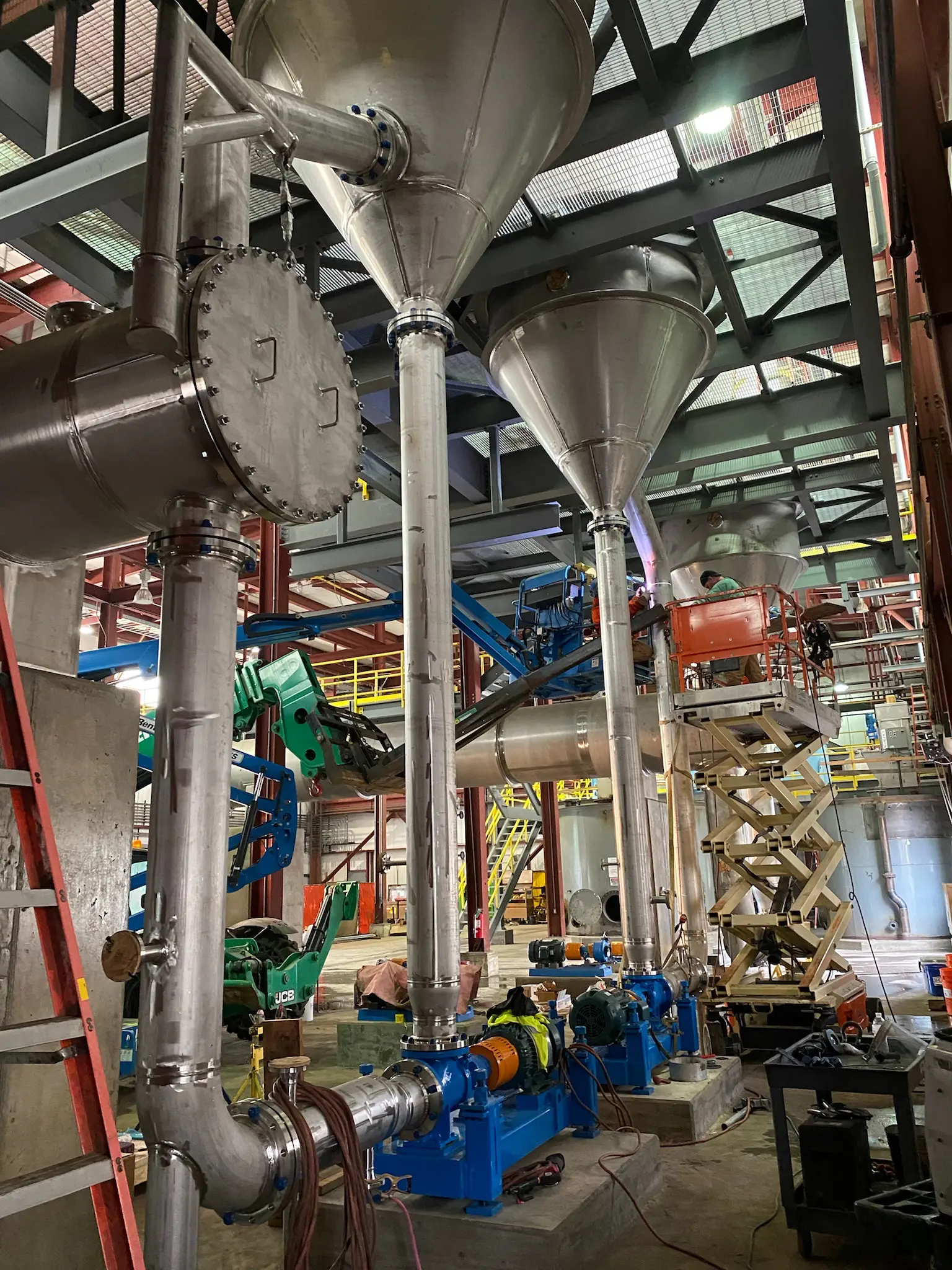
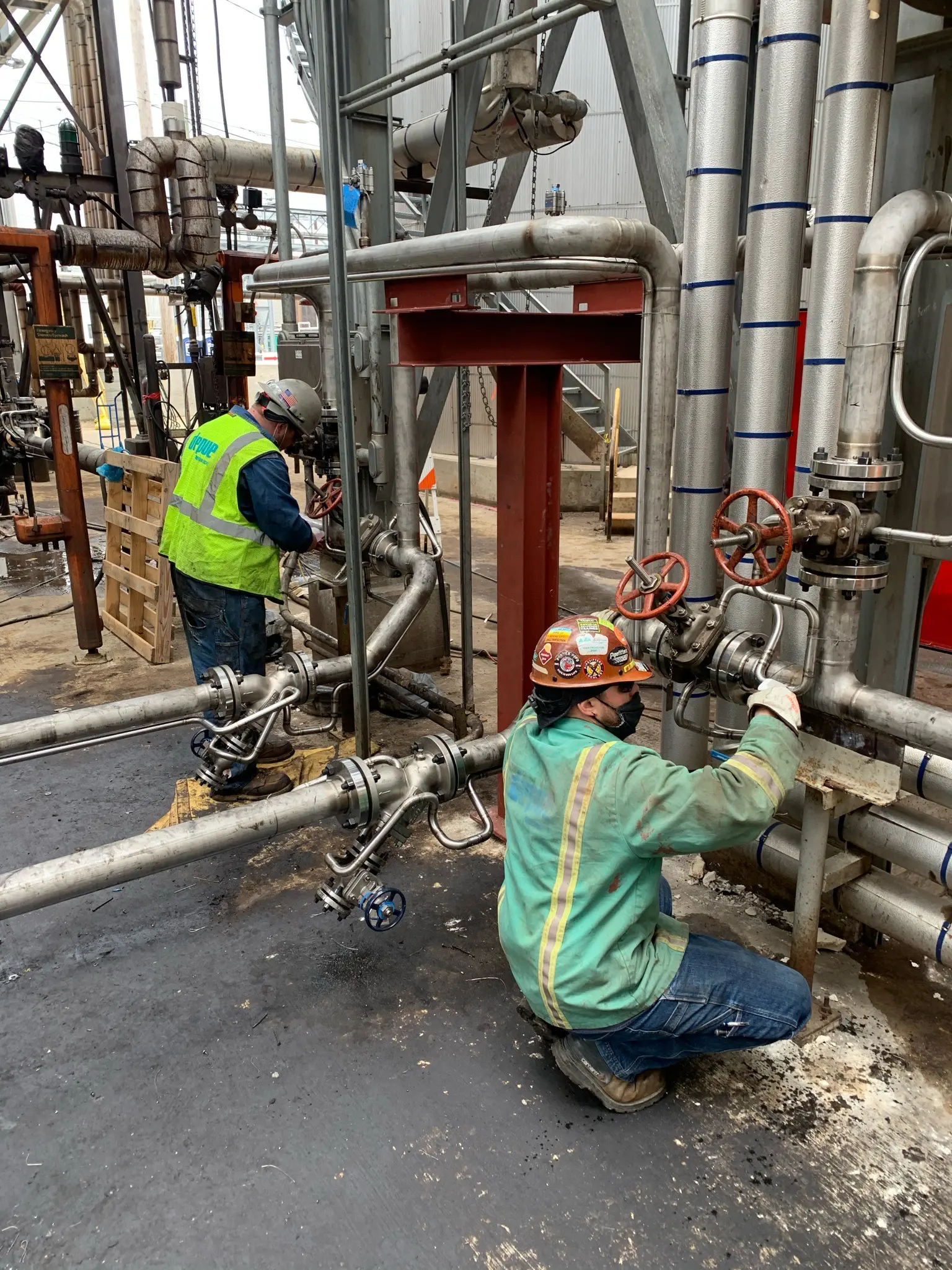
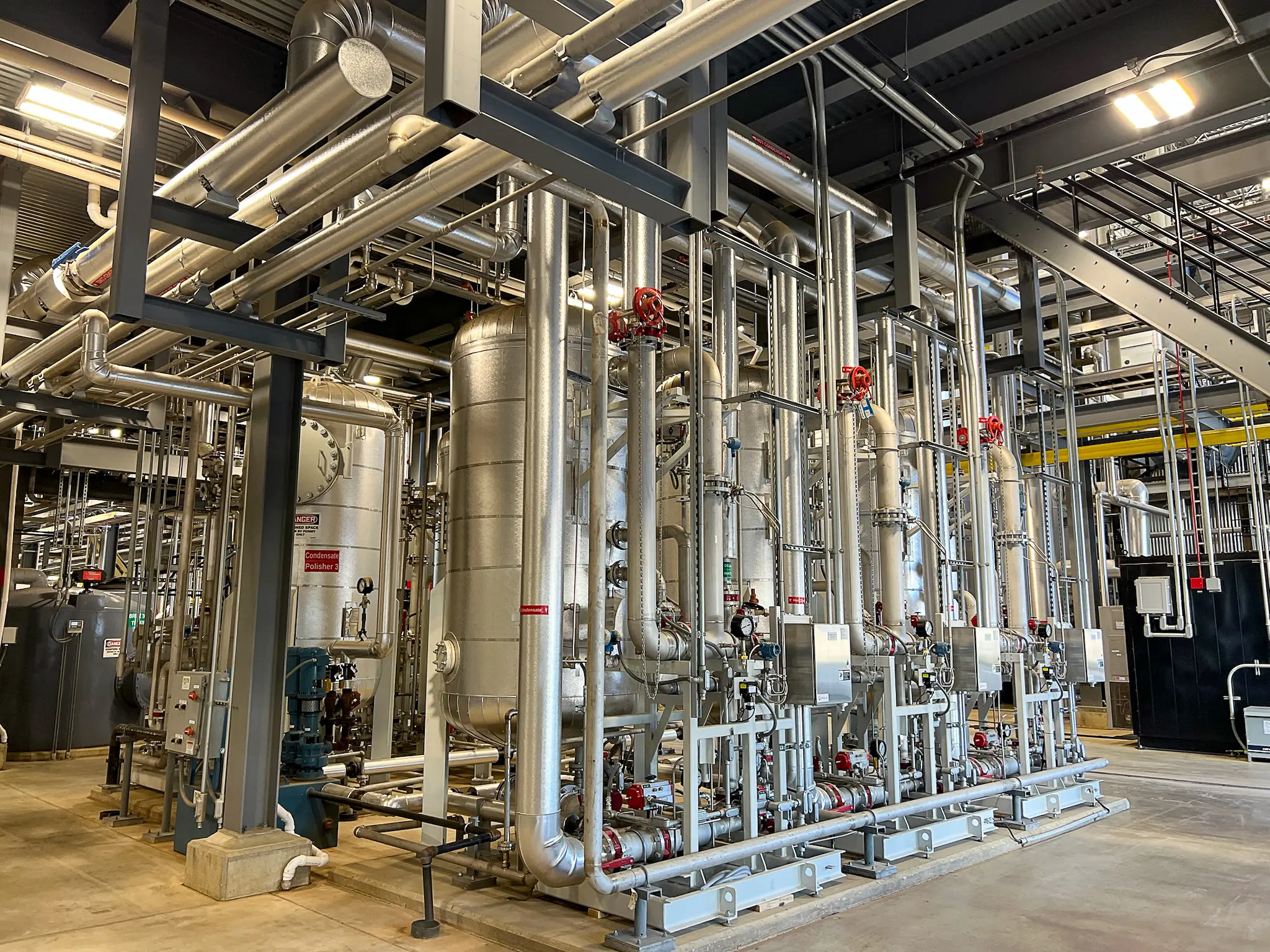
Q: What types of oil, gas, and refining facilities does DePue Mechanical serve?A: DePue supports refineries, petrochemical facilities, petroleum and fuel terminals, bulk storage and tank farms, loading and transfer facilities, natural-gas facilities, lubricant and grease plants, ethanol and biodiesel operations, renewable-fuel facilities, agricultural chemical and fertilizer plants, specialty chemical facilities, and related industrial process operations.
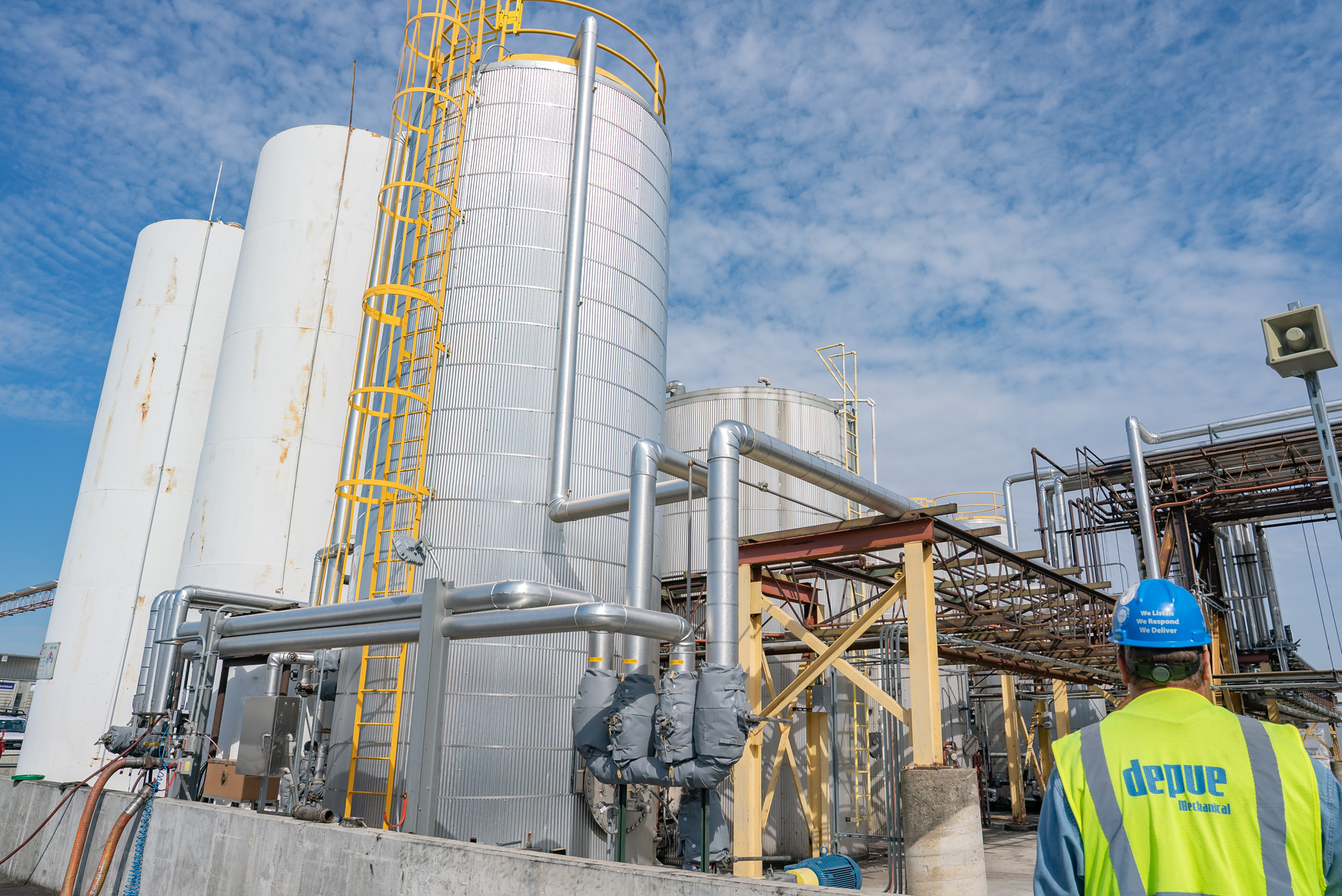
Q: Does DePue fabricate and erect API 650 tanks?A: Yes. DePue self-performs fabrication and erection of aboveground welded storage tanks to API 650 requirements when applicable. Connected piping, supports, mechanical instrumentation, equipment, and other mechanical systems can also be incorporated into the project scope.
Q: Does DePue perform API 653 tank repair?A: Yes. DePue self-performs tank repair and alteration work in accordance with API 653 requirements when applicable. Required API 653 inspections are performed by qualified third-party inspectors and can be coordinated by DePue as part of the broader tank-repair scope.
Q: Does DePue perform API inspections?A: API inspection services are performed by qualified specialty inspectors rather than DePue personnel. When DePue is responsible for the broader tank or mechanical project, we can coordinate the required inspection with the construction or repair scope.
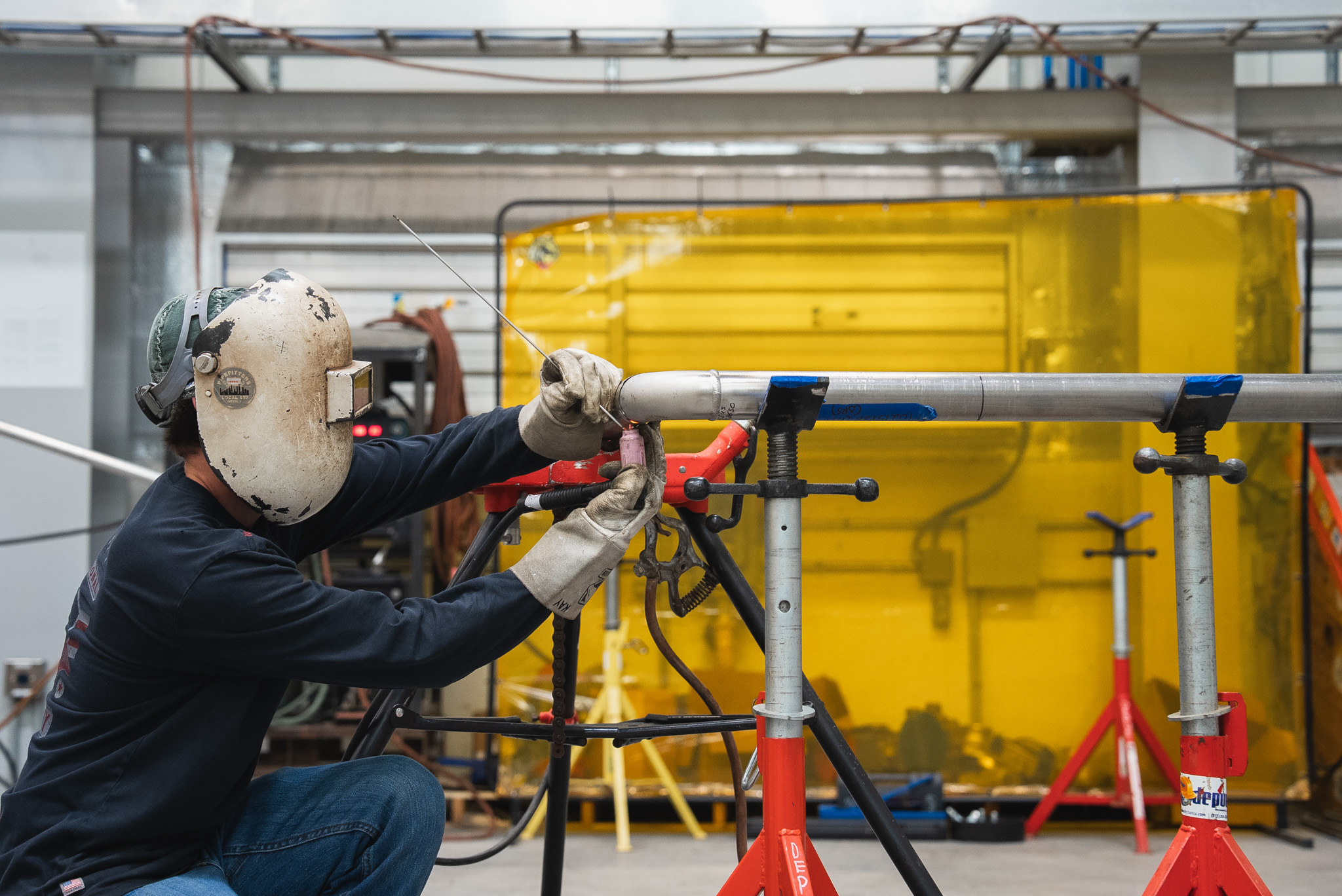
Q: What pressure-system code capabilities does DePue have?A: DePue's current capabilities include the National Board R Stamp and ASME U and PP authorizations. These support applicable pressure-retaining repair and alteration work, pressure-vessel fabrication, pressure-piping fabrication, and associated code-sensitive mechanical work.
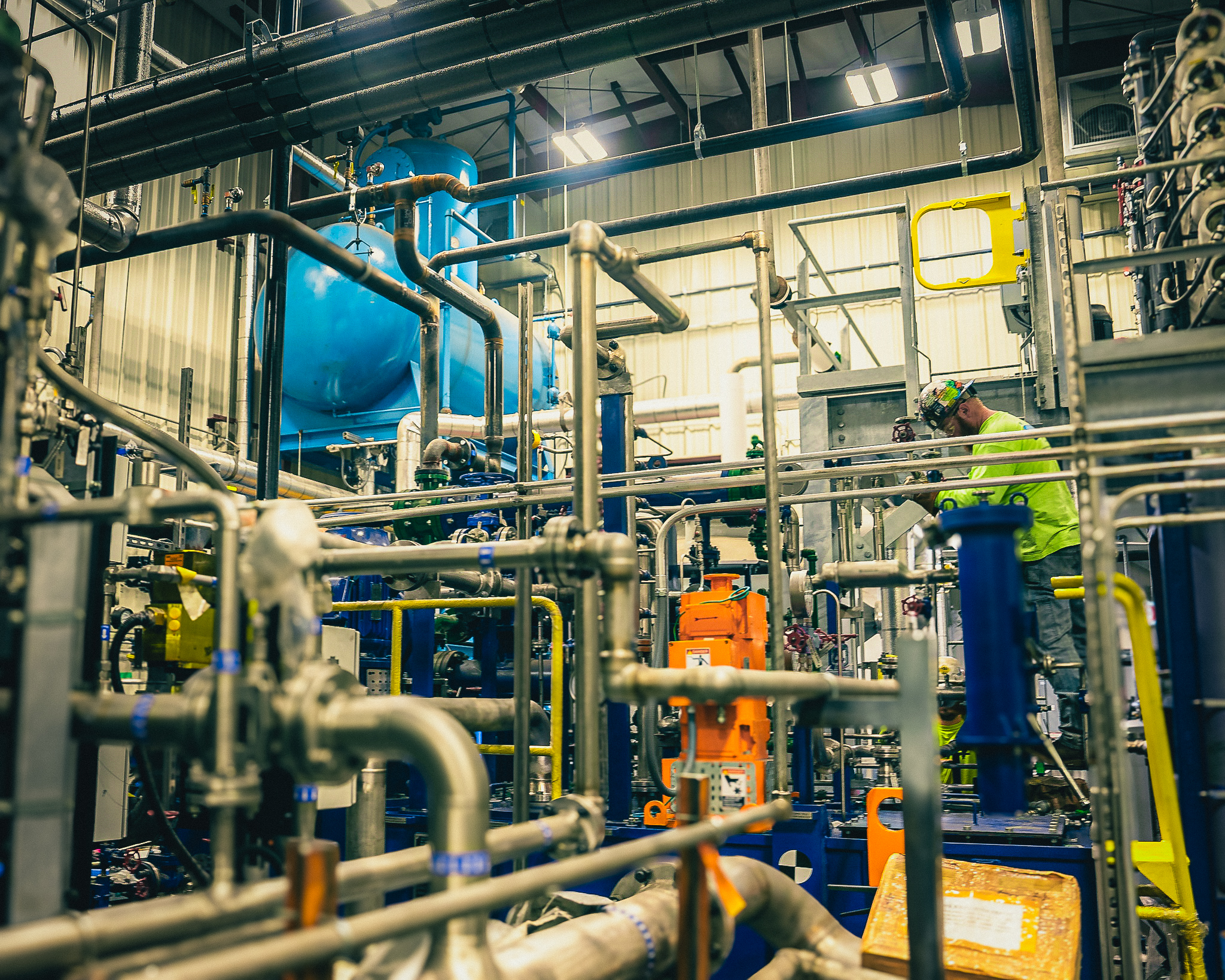
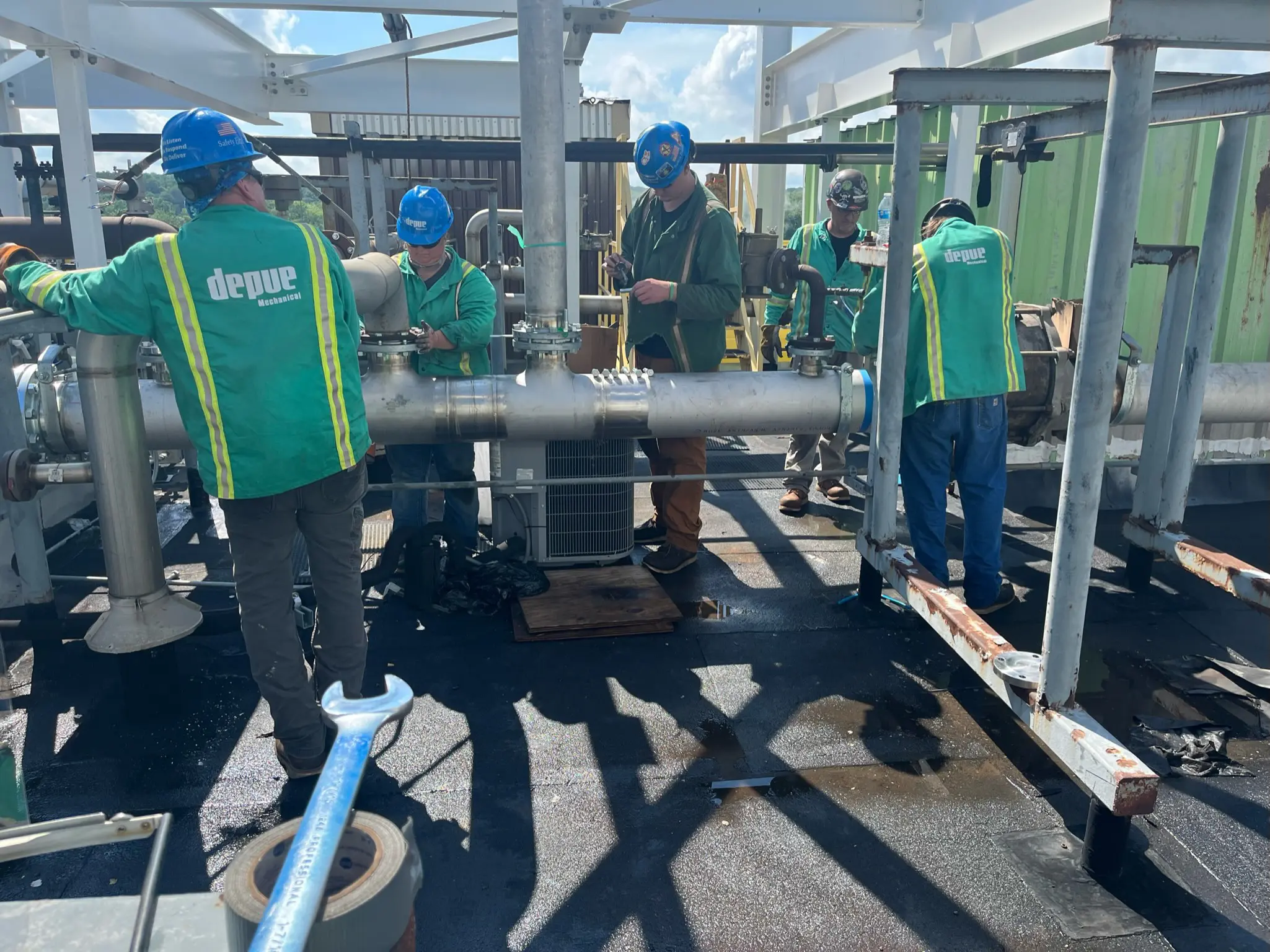
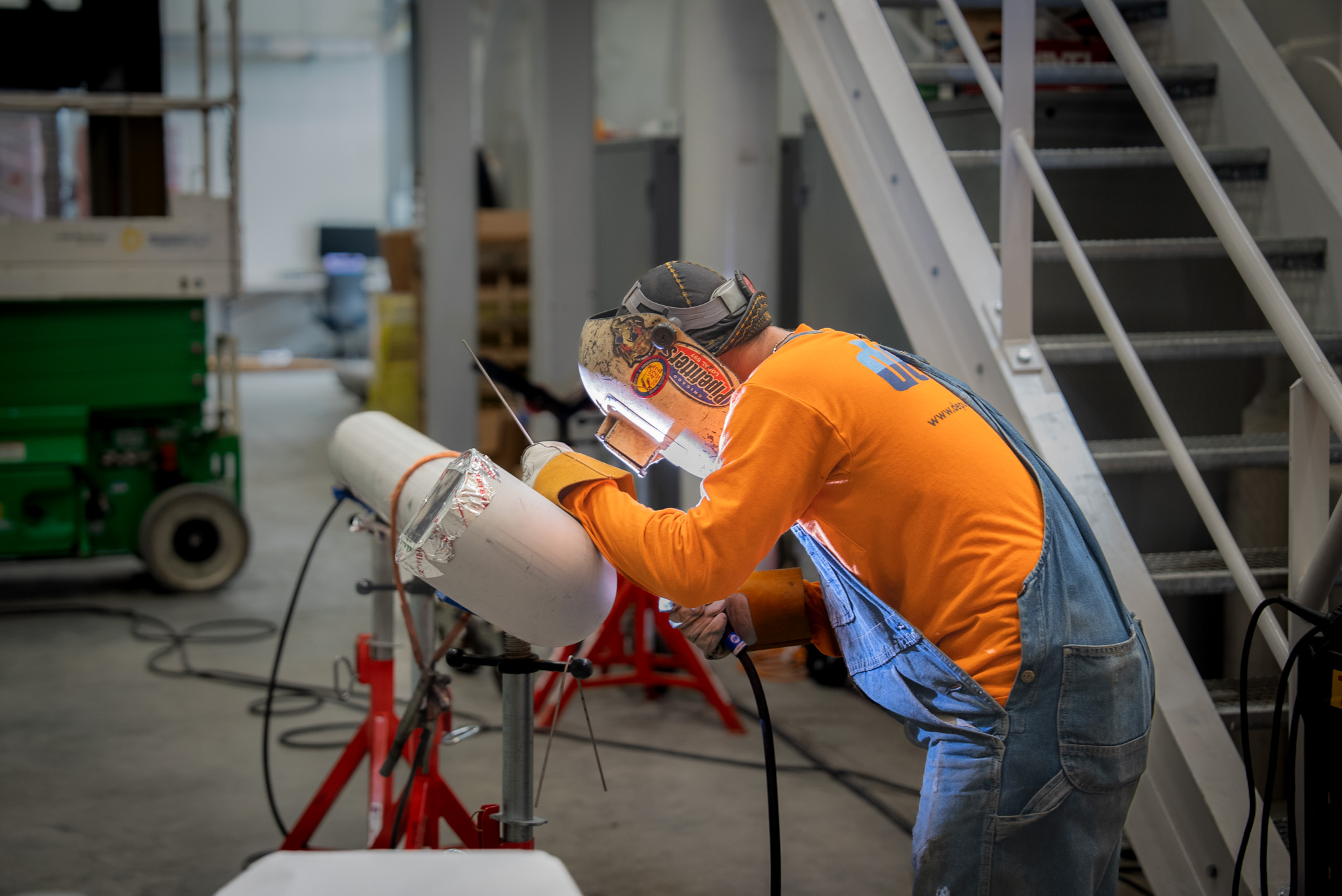
Q: Does DePue perform ASME B31.3 process piping work?A: Yes, when B31.3 applies to the project. DePue performs process-piping fabrication, installation, modification, tie-ins, and related mechanical work for refinery, chemical, terminal, renewable-fuel, and other process facilities, with testing and inspection coordinated as required by the project.
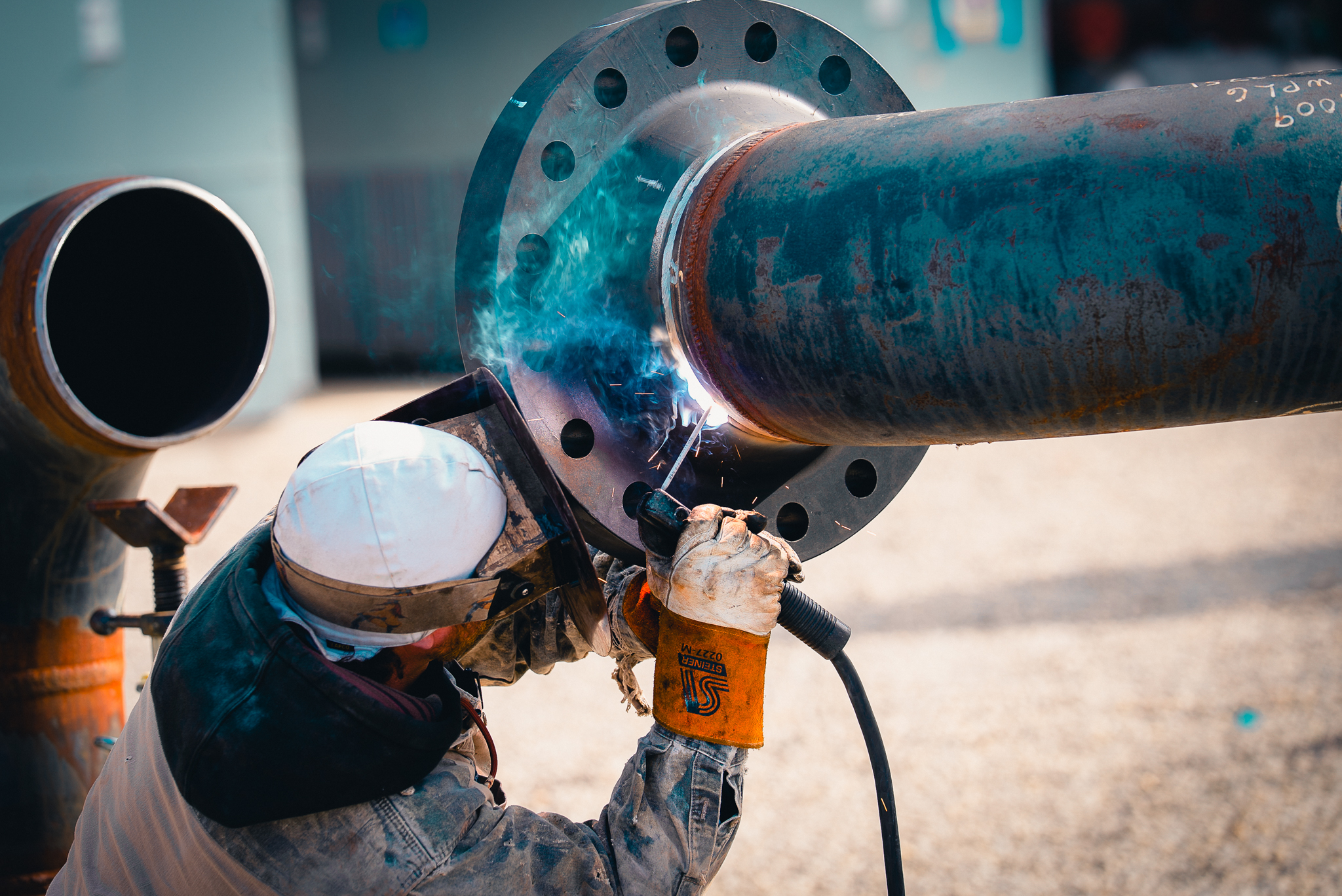
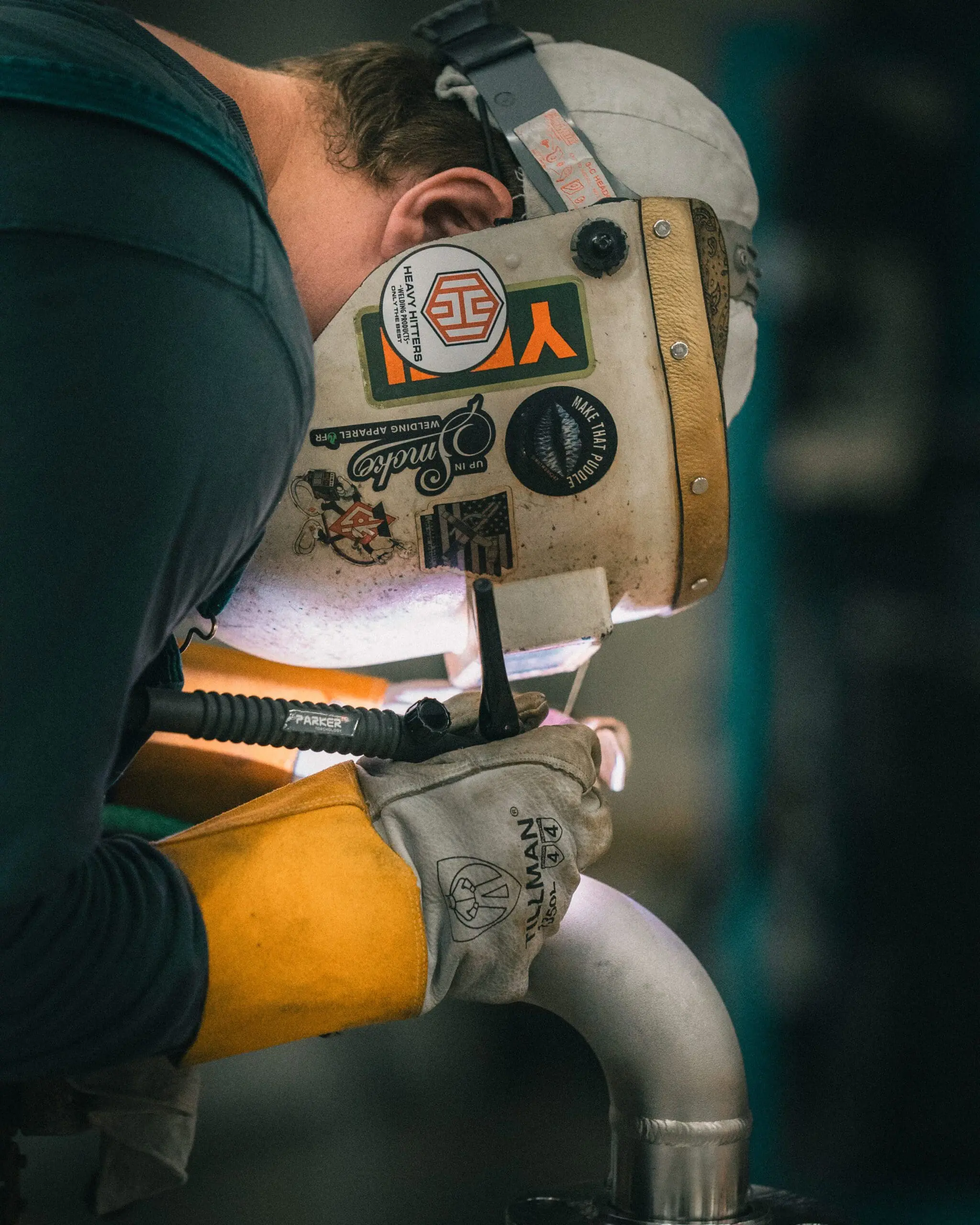
Q: What piping materials can DePue work with?A: Depending on project requirements, DePue works with carbon steel, stainless steel, copper, PVC, HDPE, chrome-moly and 9Cr materials, specialty alloys, lined piping, and other refinery and process-piping materials. Project-specific welding, NDE, radiography, and PWHT requirements are incorporated or coordinated as applicable.
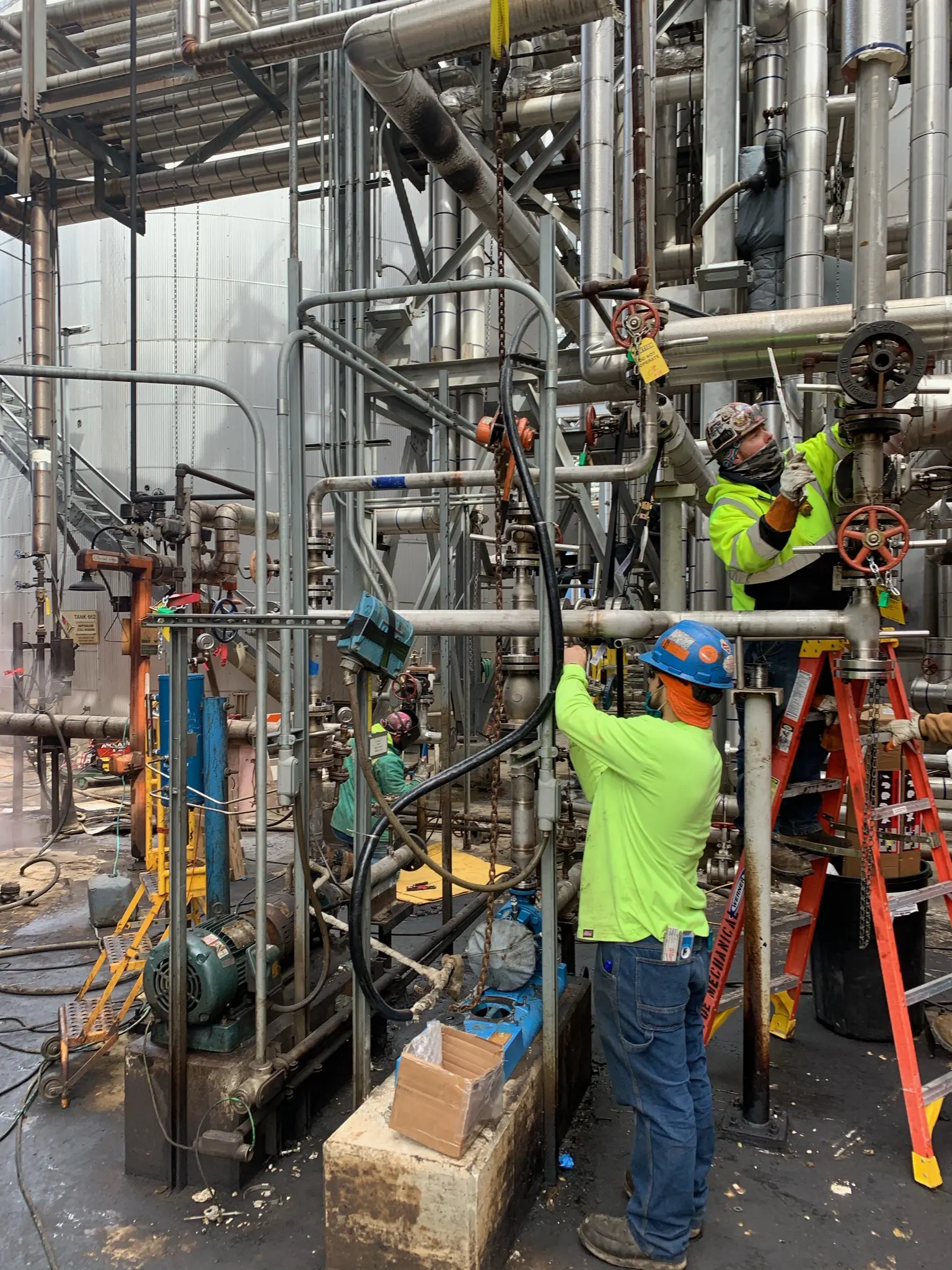
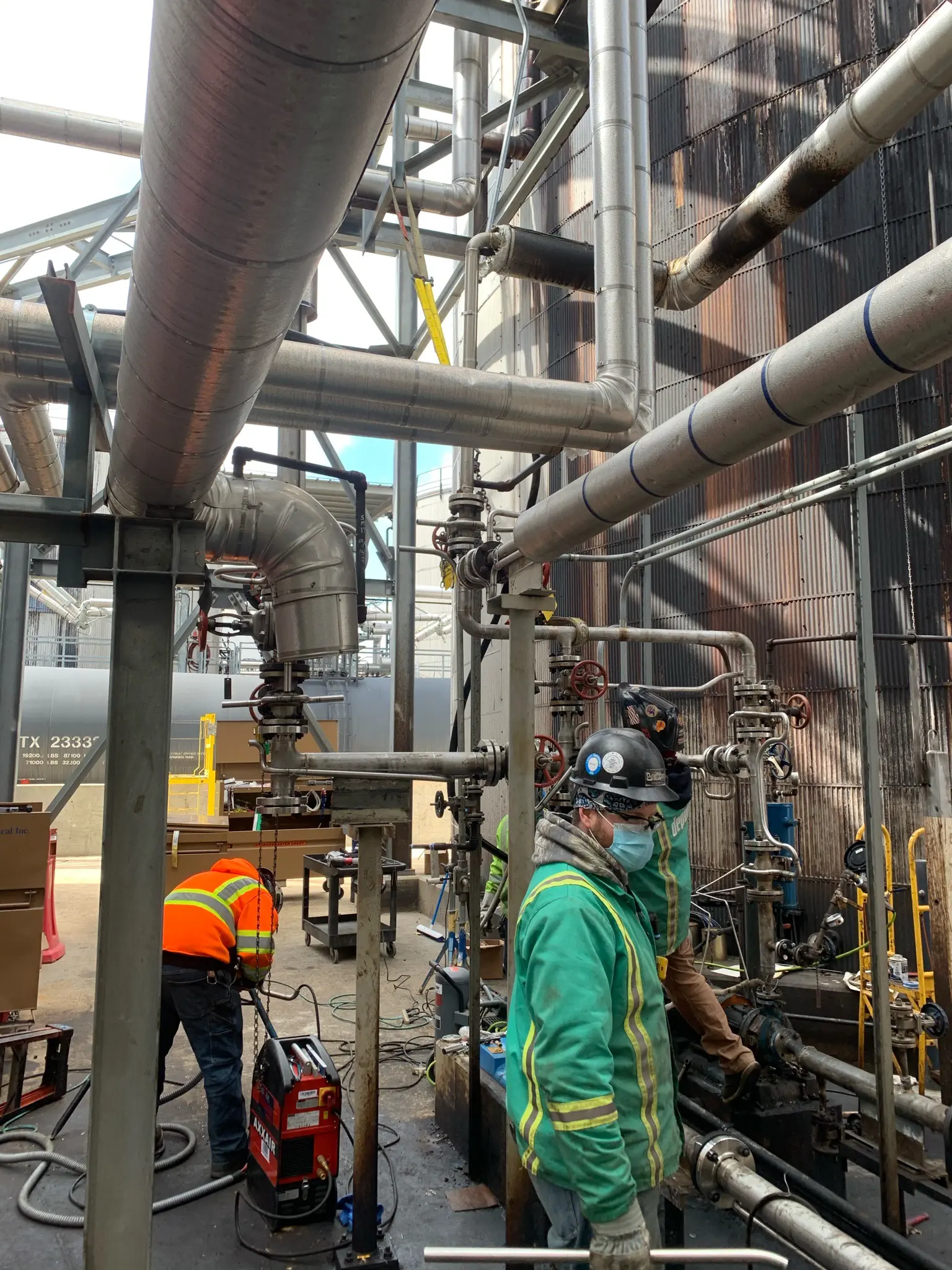
Q: Does DePue work inside PSM-regulated facilities?A: Yes. DePue has extensive experience performing mechanical construction inside PSM and other regulated operating environments. Depending on the project and facility requirements, the work can involve LOTO, line breaking, hot-work permitting, atmospheric and continuous gas monitoring, confined-space requirements, SIMOPS coordination, blinds and blinding, nitrogen purge or inerting, and coordination with the facility's Management of Change process.
Q: Does DePue manage the facility's Management of Change program?A: No. Management of Change remains part of the owner's process-safety program. DePue coordinates its mechanical work with the facility's MOC requirements when construction or system modifications are subject to that process.
Q: Can DePue support refinery shutdowns and turnarounds?A: Yes. DePue supports shutdown and turnaround planning and execution, including walkdowns, scope verification, tie-in planning, isolation coordination, prefabrication, material staging, manpower planning, equipment changeouts, code repairs, testing, startup coordination, and turnover.
Q: Does DePue provide emergency refinery and process-piping repair?A: Yes. DePue provides 24/7 emergency mechanical response for qualifying industrial facilities. Depending on the failure, the work can include process and utility piping repairs, failed welds, valves and flanges, pressure-system repairs, emergency fabrication, tank repair, equipment issues, temporary stabilization when appropriate, and permanent repair planning.
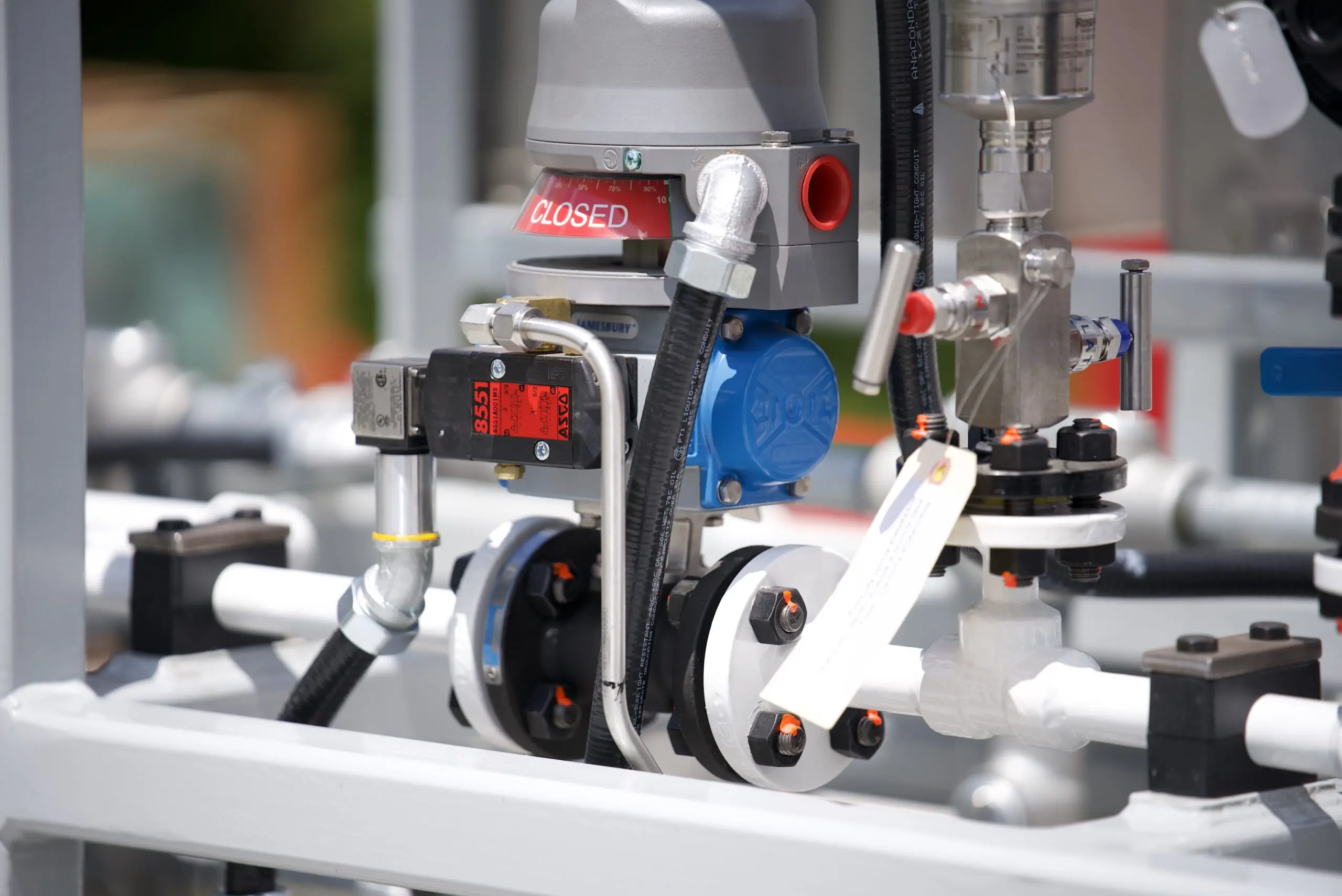
Q: Does DePue install instrumentation?A: Yes. DePue can self-perform the mechanical installation of instrumentation as part of its project scope, including applicable sensors, thermowells, gauges, valves, vents, and related process components. Electrical wiring, controls, programming, and related electrical or control-system work are coordinated through qualified specialty subcontractors when required.
Q: Does DePue self-perform electrical or controls work?A: No. DePue does not self-perform electrical or controls work. When those scopes are required as part of a DePue-led project, they can be coordinated through qualified specialty subcontractors.
Q: Does DePue construct transmission pipelines?A: No. DePue's oil, gas, and refining work is focused on industrial facilities, tanks, plant and process piping, utility systems, terminals, equipment, instrumentation, shutdowns, and related mechanical construction. DePue does not perform long-distance transmission-pipeline construction or pipeline-integrity services.
Q: Can DePue work directly for the facility owner?A: Yes. Owner-direct work is DePue's primary delivery model in this market. We work directly with Maintenance Managers, Project Engineers and Project Managers, Engineering and Capital Projects teams, and other facility stakeholders on repairs, shutdown work, reliability improvements, equipment changes, piping projects, tank work, and capital improvements.
Q: Can DePue serve as Prime General Contractor?A: Yes. When a mechanically led project requires additional trades, DePue can serve as Prime General Contractor while self-performing applicable mechanical work and managing qualified specialty subcontractors for electrical, controls, API inspection, refractory, insulation, coatings, specialized engineering, and other project-specific scopes. Learn more about our
Prime General Contracting services.
Q: Where does DePue provide refinery, tank farm, and process-facility mechanical services?A: DePue's primary market for this work is Northern Illinois and Greater Chicago. Project fit depends on the facility, mechanical scope, schedule, safety requirements, labor requirements, and overall delivery needs.
Q: What information do we need before contacting DePue?A: A completed construction package is not required to start the conversation. Facility teams can contact DePue with an inspection finding, failed component, equipment requirement, shutdown list, preliminary scope, existing drawing, operational problem, or capital-project concept. From there, our team can determine what additional field verification, engineering, documentation, pricing, or planning is needed.